
For the past couple of years, I’ve been tracking my reading habits with the Story Graph app. I like Story Graph because it easily allows me to track what Ive read, what I’m reading, and my to be read list. As well, it gives me a detailed breakdown of my reading habits, including genres, pages numbers, and more. This year, I’ve read 75 books and about 18,000 pages. When I read, I switch between genres, moving from fiction to memoir to history to graphic novel and more. I read drama and occasionally I read poetry. The only poetry collection I’ve read so far this year is Terrance Hayes’ American Sonnets for My Past and Future Assassin. Today, I want to share with you some of what I’ve read.
During May, I found myself reading multiple Nobel Prize winners in literature. I didn’t realize this when I chose the books, but after I picked them up at the library I saw the connection and sought out some more. I read Patrick Modiano’s Missing Person, J.M. Coetzee’s The Pole, Abdulrazak Gurnah’s Theft, Han Kang’s Greek Lessons, and two books by Annie Ernaux, The Years and Shame. I enjoyed each of these books, for different reasons, but Ernaux’s works, Coetzee, and Gurnah engaged me the most, for various reasons. Ernaux’s style, which I really see in relation to something like Lillian Smith’s The Journey, uses memoir and introspection to have us think about our own existence and the ways that we live within ourselves and a broader historical context. The Years, as I’ve written about, epitomizes this. Coetzee’s The Pole is a sparse novella dealing with aging, memory, and our relationships to one another, and Gurnah’s Theft, which I have also written about, focuses on the histories of colonialism and its continued impact on individuals and communities.
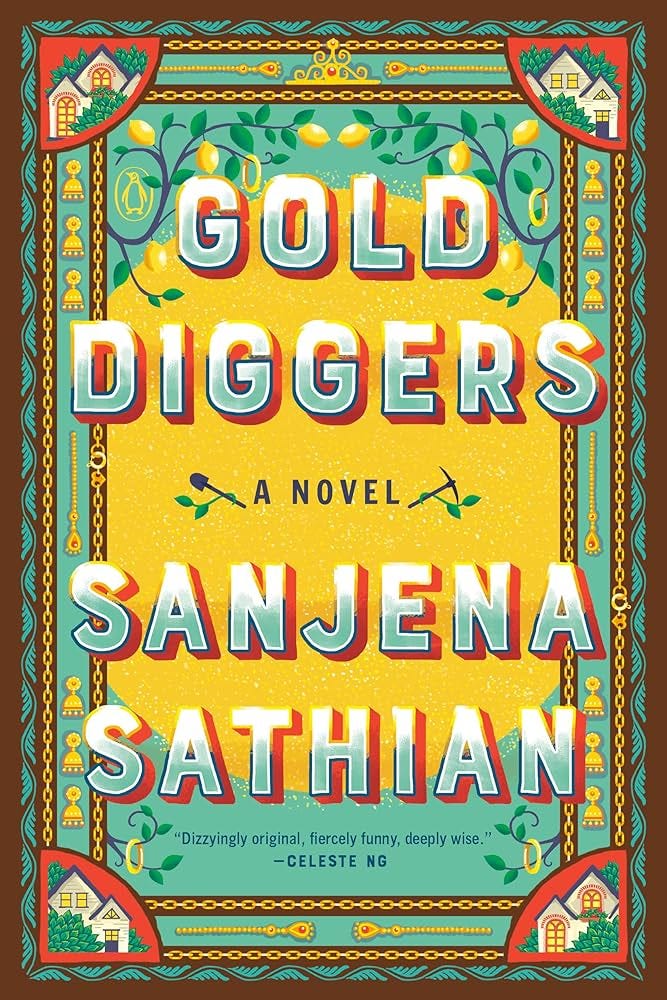
While I read each of the above books over the past month, numerous books I read earlier in the stick with me as well. One of these is Sanjena Sathian’s Gold Diggers. Over lunch at a book festival, a colleague recommended Santhian’s novel, specifically because it referenced the city we were in and because she taught the novel herself in a course. I have to admit that Gold Diggers really didn’t catch my attention initially. It’s split up into two parts, the first taking place when the characters are tennagers and the second taking place when they grow up. The novel engaged me with its magical-realism and its interrogation of assimilation and exploration of the immigrant experience, notably in the South and Atlanta. As well, the novel’s examination of the role of history in our lives gripped me, especially since this is an ongoing theme in much of my own work. Neil Narayan, who becomes a history major and discovers an Indian man during the California Gold Rush, states, “But when you study the past, you know how it turns out. The weight of the present demands something of you.” Neil’s research into the man reminds me, in a lot of ways, about another book I’ve read this year.
I initially read Ta-Nehisi Coates’ The Message last October when it debuted, and after reading it, I knew I wanted to include it in a course this past semester. Since I initially checked the book out from the library, I wanted to get my own copy and reread it, with my annotations. The Message covers a lot, but one of the main things that Coates details is the importance of stories. Coates visits the Door of No Return on Gorée Island in Senegal. Coates notes that the information provided there about the number of enslaved individuals who passed through the island is not historically accurate; however, he also notes, that it does not diminish what happened there and how it encapsulates the horrors of the transatlantic slave trade. He points out the need for myths and stories. The role of writers, as Coates tells his students, “is nothing less than doing their part to save the world,” and the creation of stories and narratives that detail reality and work to move us forward, to provide a curative for the horrors enacted upon others and the world.
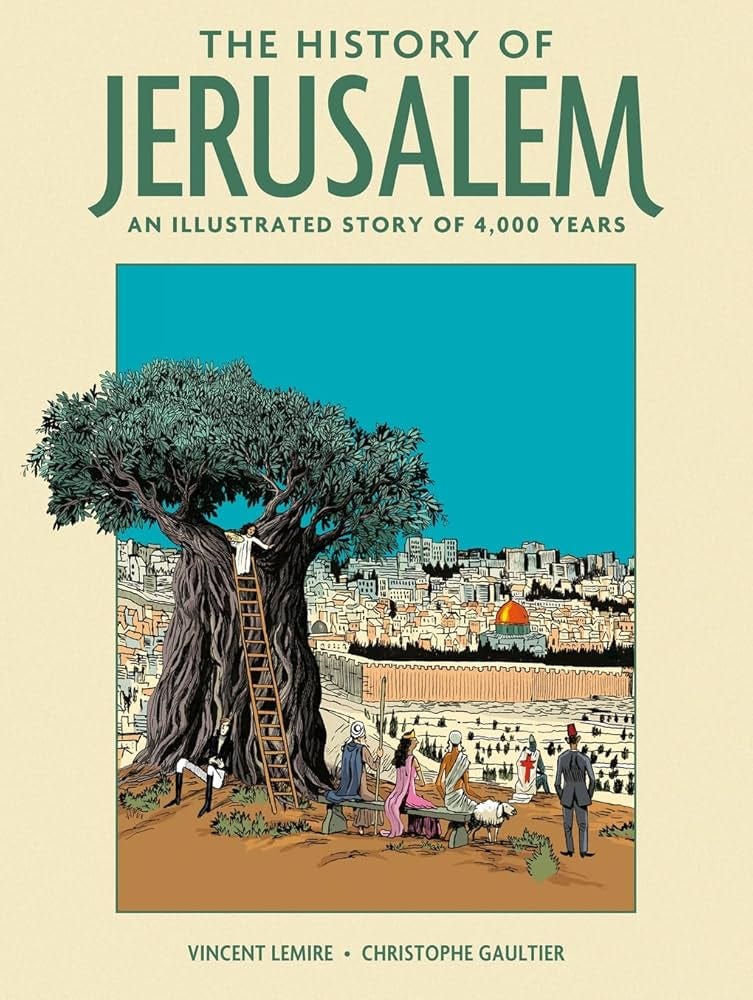
When The Message released last fall, many attacked Coates for his discussion of Palestine. They lambasted him as anti-semitic because he reported what he saw on a trip to Israel and the Occupied Territories. They ignored his, I would argue, evenhandedness in reporting the words of countless individuals from the past and the present, both supporters and detractors of Zionism, and his own experiences on the ground. They entered with their own agendas and read their agendas onto Coates. I bring this section up because I’ve read countless books on Palestine and Israel, including Rashid Khalidi’s The Hundred Years’ War on Palestine, which I highly recommend. This year, I reread Guy Delisle’s Jerusalem: Chronicles from the Holy City for a class and I just finished Vincent Lemire and Christophe Gaultier’s excellent The History of Jerusalem: An Illustrated Story of 4,000 Years. All three of these books provide insight into the history and current situation in Palestine and Israel, and I would recommend each of them, including Coates’ The Message, to anyone wanting to learn more because, like everything in this world, the situation is not clear cut as this or that or one side or another.
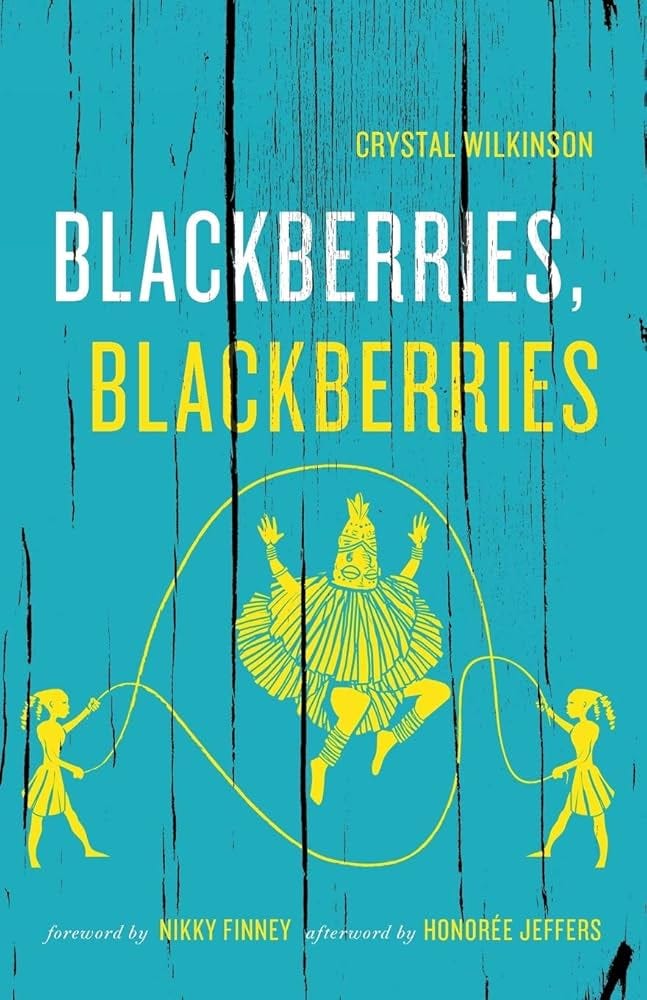
Occasionally, I do short story collections, and this year I’ve done five short story collections because I framed a course around them. Typically, when I construct a course, I choose a few books that I have never read, and I did that for this class, assigning Crystal Wilkinson’s Blackberries, Blackberries, Dorothy Allison’s Trash, and Ron Rash’s Burning Bright alongside Frank Yerby’s short stories and Ernest Gaines’ Bloodline. I found myself thoroughly enjoying each of these collections, particularly stories like “Monkey Bites” and “Compassion” in Allison’s collection and “The Ascent” and “Return” in Rash’s collection. However, what stood out to me was the ways that students responded to Wilkinson’s collection, especially stories like “The Awakening,” “Mr,” and “Peace of Mind,” the latter of which they latched onto because of its depiction of work and rest. I also read Wilkinson’s novel The Birds of Opulence, which won the 2016 Ernest J. Gaines Award for Literary Excellence, and taught her memoir Praisesong for the Kitchen Ghosts, both of which I wholeheartedly recommend.
There are a lot more books I could discuss here, but I want to end with a list of some of the books that I have really enjoyed this year and that I would recommend to anyone asking, “What shall I read next?”
- Nora Krug Belonging: A German Reckons with History and Home
- Marjane Satrapi Persepolis
- Helen Weinzweig Basic Black with Pearls
- Kristen Ghodsee Red Valkyries: The Revolutionary Women of Eastern Europe
- Loo Hui Phang and Hughes Micol Erased: A Black Actor’s Journey Through the Glory Days of Hollywood
- N.K. Jemisin and Jamal Campbell Far Sector
- Rolf Hochhuth The Deputy
- Kellie Carter Jackson We Refuse: A Forceful History of Black Resistance
- John Dominic Cross and and Marcus Borg The Last Week: What the Gospels Really Teach about Jesus’s Final Days in Jerusalem
- David Diop At Night All Blood is Black
I’m hoping, by the end of the year, to read 160 books. We’ll see how that goes. Next up on my reading list are memoirs and other works dealing with the Warsaw Ghetto Uprising and the Warsaw Uprising. These include Simha Rotem’s Memoirs of a Warsaw Ghetto Fighter, Mary Berg’s The Diary of Mary Berg: Growing Up in the Warsaw Ghetto, and Miron Białoszewski’s A Memoir of the Warsaw Uprising. I’m also looking forward to reading S.A. Cosby’s new novel King of Ashes in June, Gurnah’s Afterlives, and some more works by David Joy. Apart from those, I am not sure what lies in store for my reading the rest of the year, but stay tuned here because I know I will write about it at some point.
What books have you enjoyed reading so far this year? What books do you hope to read during the rest of the year? As usual, let me know in the comments below. Make sure to follow me on Twitter @silaslapham.
 Interminable Rambling