Category: world war ii

+

How Do Individuals Descend Into Brutal Savagery?: Part I

Last year, I read multiple books about World War II, a few of which I included in my Reverberations of World War II course during the fall. These included novels by Anna Seghers, Victor Serge, Magada Szabó, and more. Along with these, I also read some memoirs that detailed individuals’ experiences in the concentration camps in occupied territories during the war. These included Dr. Miklos Nyiszli’s Auschwitz: … Read More How Do Individuals Descend Into Brutal Savagery?: Part I
+

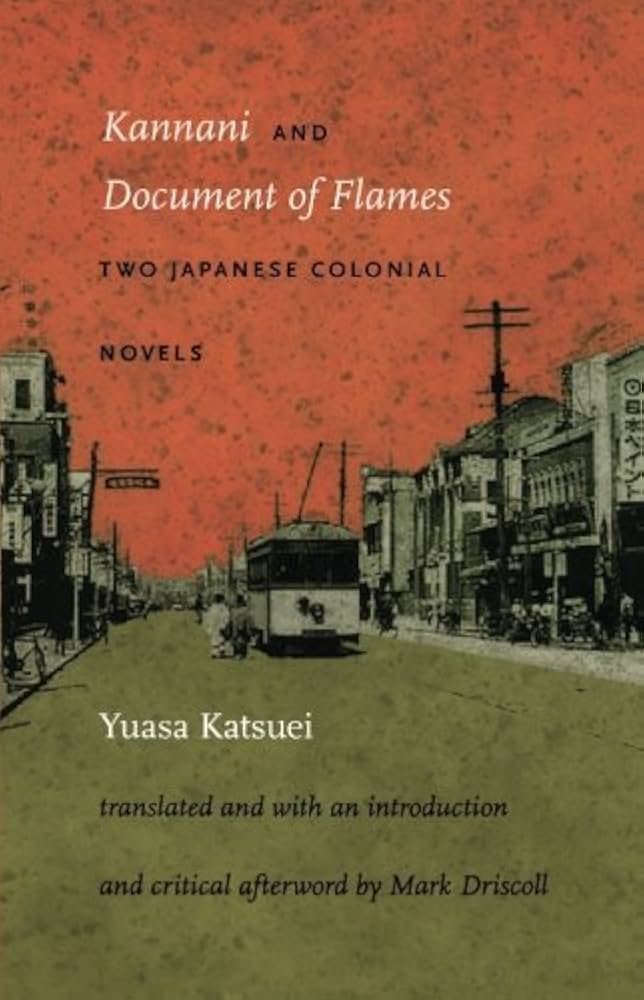
The Transmission of Virulent Ideologies: Part II

Last post, I wrote about the unease individuals feel when they study their own history and how they feel comfortable learning about this history of others because it removes their own actions from the equation. There, I focused on Zakir in Inzitar Husain’s Basti. Today, I want to continue that discussion; however, I want to shift it a little by looking at the ways that Yuasa Katsuei … Read More The Transmission of Virulent Ideologies: Part II

+

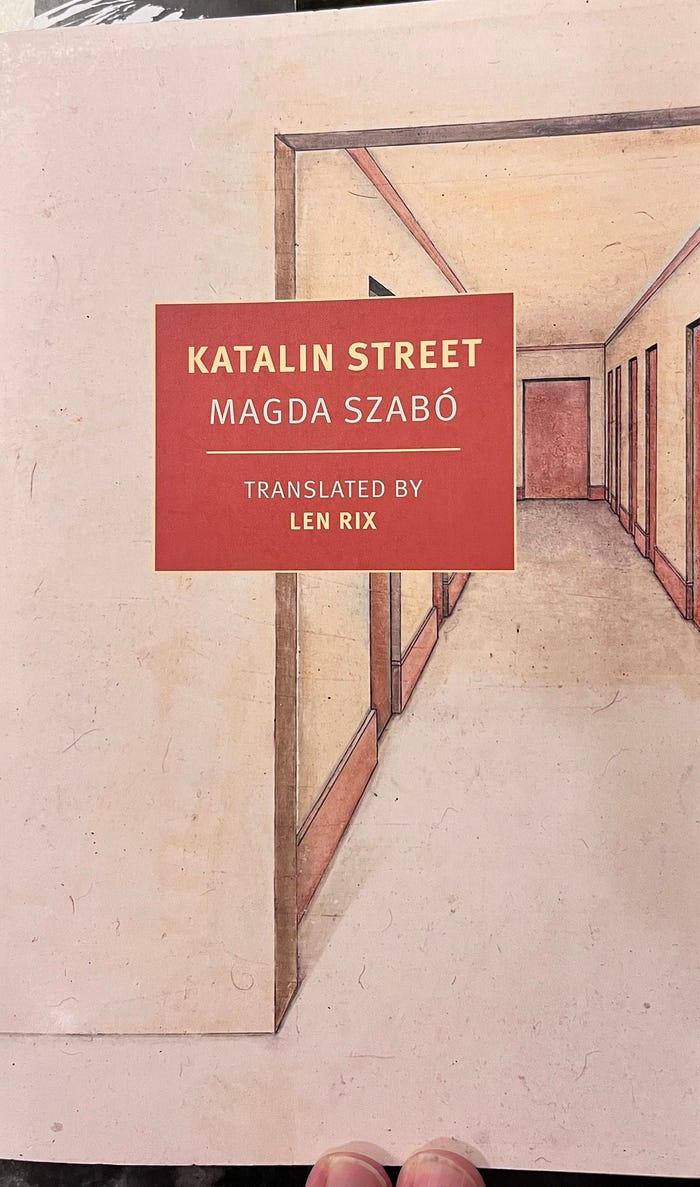
What Keeps Bringing Me Back to Magda Szabó’s “Katalin Street”?

As I’m teaching Magda Szabó’s Katalin Street, I keep asking myself, “Why am I drawn to this book?” I’ve only read it twice, once last summer and again this semester in preparation for teaching it. Yet, I keep feeling like Katalin Street is one of those novels, like those of Ernest Gaines, Toni Morrison, or others, that I will come back to again and again over the … Read More What Keeps Bringing Me Back to Magda Szabó’s “Katalin Street”?

+

Memory of the Past in Magda Szabó’s “Katalin Street”

Last year, I read Magda Szabó’s Kaitlin Street, and after finishing it, I knew that I wanted to teach because of the ways that the novel explores themes of memory, love, family, and more during turbulent times. As I constructed my syllabus for “The Reverberations of World War II,” I toyed with adding Szabó’s Abigail, a novel about a young girl at a boarding school in Hungary during … Read More Memory of the Past in Magda Szabó’s “Katalin Street”

+

The Continuation of History and The Search for Stability Amidst War and Chaos: Part II

In his essay “The Storyteller,” Walter Benjamin details the power of storytelling and the ways that stories do more than just relate the events in a character’s or society’s lives. Stories span time and history, moving forward. They highlight the “insignificant” who move through history, those who don’t appear in the records of the age, those who exist as the historical moments occur. We … Read More The Continuation of History and The Search for Stability Amidst War and Chaos: Part II