Category: holocaust

+

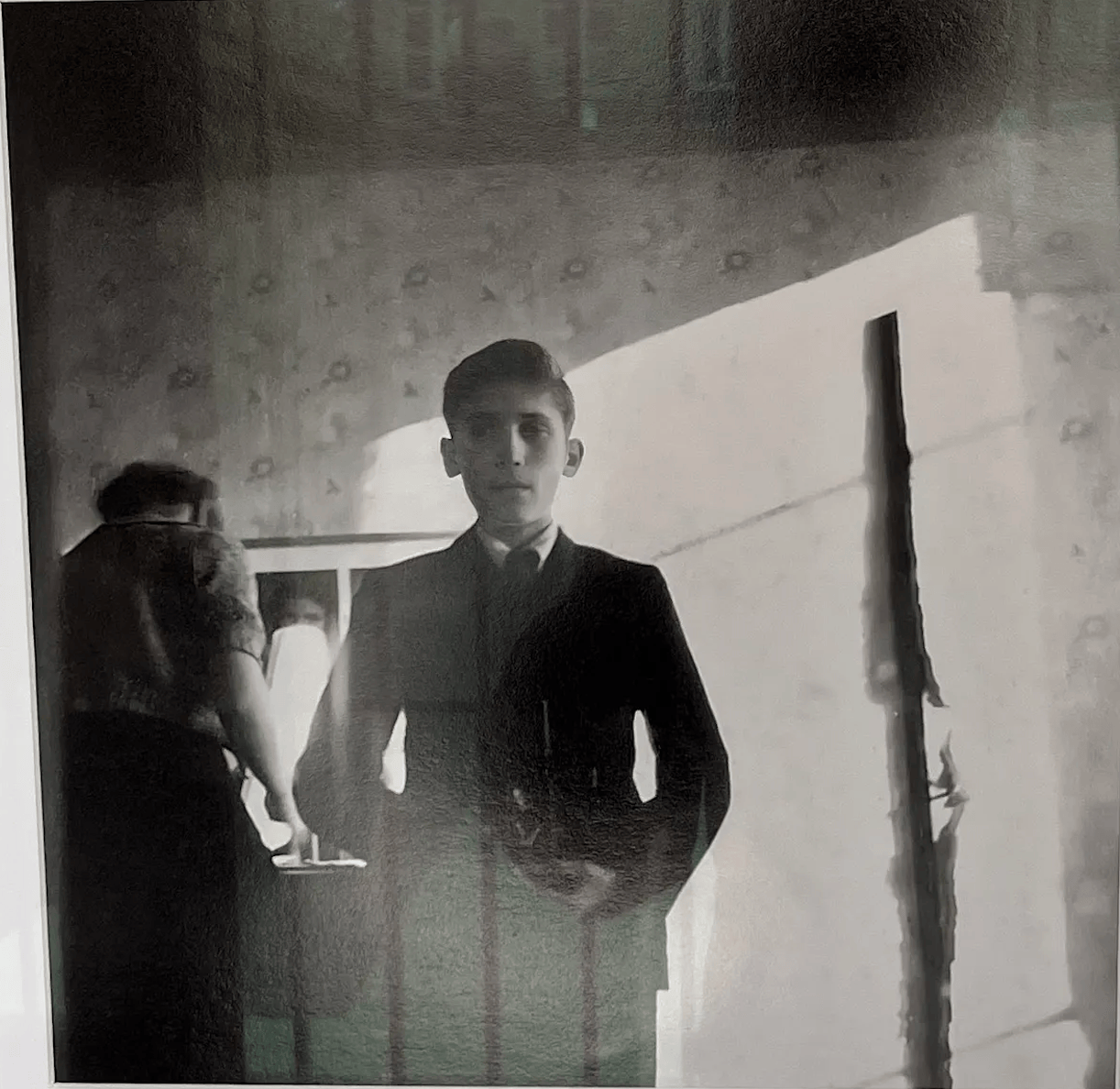
The Framing of Ourselves Through Self-Portraits

During my time in Paris so far, I’ve been trying to go to a lot of the free museums and memorials. This past week, I went to the Mémorial de la Shoah and to the Maison Européenne de la Photographie (MEP), which I thought was free based on information I found, but it actually costs €13. At each of these museums, I became intrigued by some of the photographs … Read More The Framing of Ourselves Through Self-Portraits
The Importance of Art as Resistance and Existence

A few weeks ago, someone told me about the work of neurologist and psychologist Viktor Frankl and his time in a concentration camp duroing World War II. After the person told me about Frankl, I sought out his memoir Man’s Search for Meaning where he lays out his ideas surrounding logotherapy. Frankl explains that logotherapy, which derives from logos, the Greek word for “meaning,” “focuses on the meaning of … Read More The Importance of Art as Resistance and Existence

+

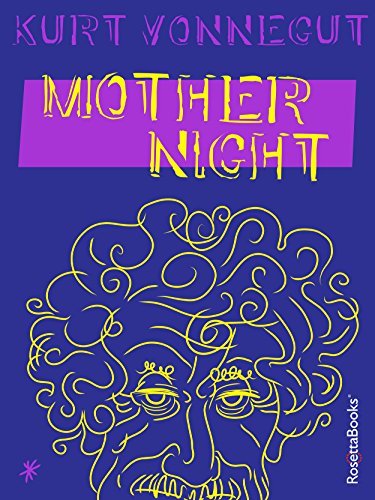
The Weaponization of Words in Kurt Vonnegut’s “Mother Night”

Earlier this year, I constructed a fascism in literature syllabus which included Kurt Vonnegut’s Mother Night (1962) amongst a long list of other texts. As with most of these mock syllabi, I add texts that I have not read before. Well, the other day I walked into the stacks at my library and pulled Mother Night off the shelf. I literally devoured the novel in less than a day, becoming … Read More The Weaponization of Words in Kurt Vonnegut’s “Mother Night”

+

Indoctrination Through Education in Nora Krug’s “Belonging”

Nora Krug begins her graphic memoir Belonging: A German Reckons with History and Home with an anecdote about one of her first encounters in New York. On the rooftop of a friend’s apartment building, an elderly woman struck up a conversation with Krug, asking her where she was from. When Krug affirmed that she was from Germany, the woman began to relate “how she had survived … Read More Indoctrination Through Education in Nora Krug’s “Belonging”

+

The Internal Psychosis of Nazism in Hans Massaquoi’s “Destined to Witness: Growing Up Black in Nazi Germany”

Ian Kershaw’s The “Hitler Myth”: Image and Reality in the Third Reich, traces the image of Hitler in Germany from the failed putsch in 1923 all the way to the regime’s demise in 1945. Kershaw points out that the historical priming for a myth in an all-powerful Führer who would save the nation, dating back to the nineteenth century. While many groups ebbed and flowed … Read More The Internal Psychosis of Nazism in Hans Massaquoi’s “Destined to Witness: Growing Up Black in Nazi Germany”