Category: american literature

+

Harriet Jacobs’ Challenge to the Cult of True Womanhood

A while back, I wrote a post about the ways that Harriet Jacobs, in Incidents in the Life of a Slave Girl, challenges the Cult of True Womanhood. Specifically, she counters it by showing the ways that society denied her the chance to adhere to the four pillars of the Cult of True Womanhood. Thinking about this some more, I want to briefly look … Read More Harriet Jacobs’ Challenge to the Cult of True Womanhood
+

Literacy in Kyle Baker’s “Nat Turner”

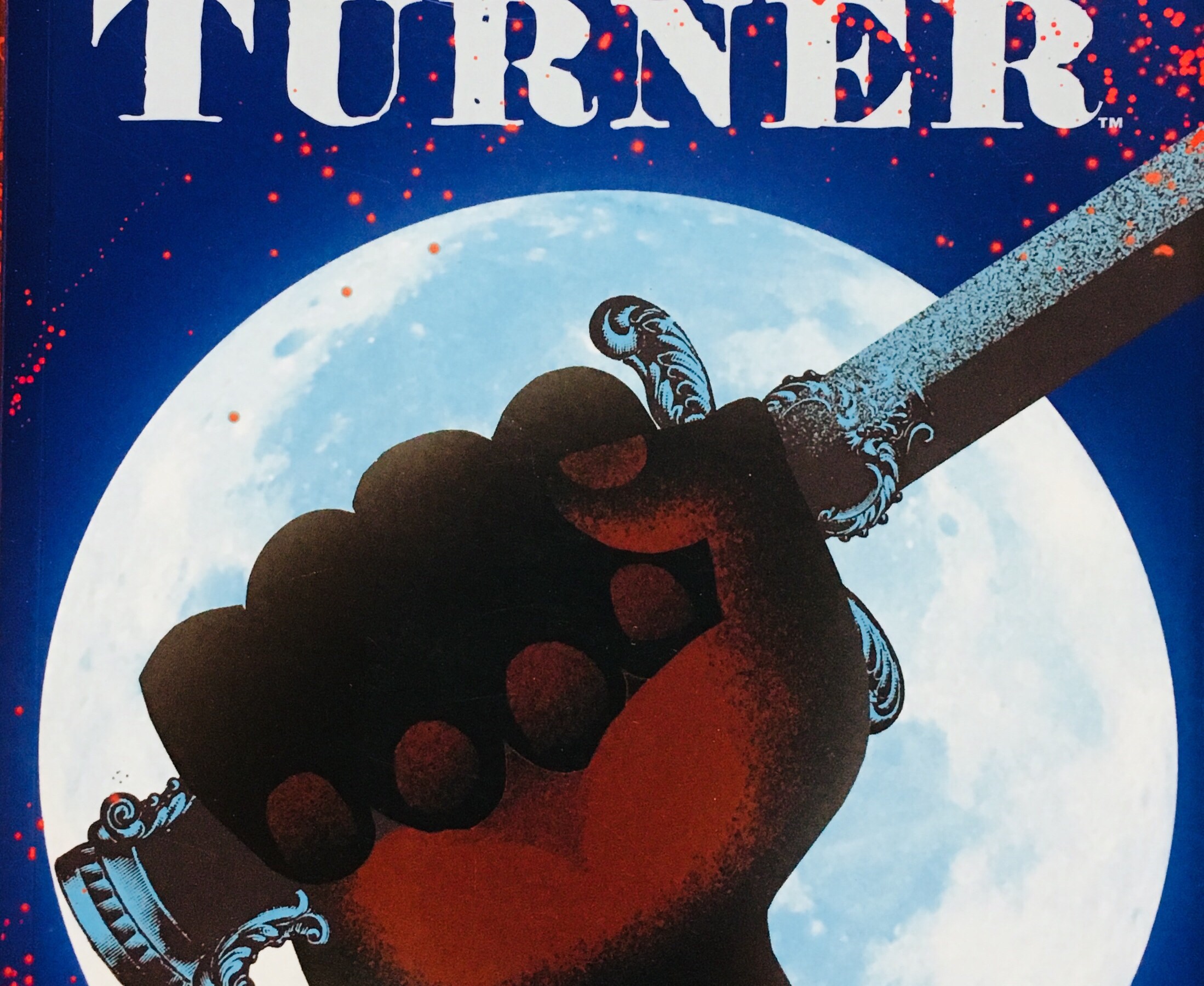
In his preface to the graphic novel Nat Turner, Kyle Baker talks about his reasons for wanting to tell Turner’s story through the medium of comics. He states hat “[c]omic books/graphic novels are a visual medium, so it’s important to choose a subject with opportunities for compelling graphics.” The story of Nat Turner’s rebellion in 1831 provides just that opportunity. More importantly, Baker wanted … Read More Literacy in Kyle Baker’s “Nat Turner”

Teaching “Sentimental Fragments”

This semester, I taught the “Sentimental Fragments” collection in my American Literature survey course through 1865. Initially, I was a had a little trepidation about teaching these fragments in the course, specifically since I do no incorporate much sentimental fiction into the syllabus. As well, I do not have any fiction texts before the 1820s, Since it is a survey course, I use the … Read More Teaching “Sentimental Fragments”

+

The Cult of Domesticity in Two of Lydia Maria Child’s Stories

Every time I read Lydia Maria Child’s work, new thoughts and paths emerge. Discussing “Chocura’s Curse” and “Slavery’s Pleasant Homes” this semester, my classes explored the ways that Child address the Cult of Domesticity. In the above stories, Child does not necessarily address each of the four pillars of the Cult of Domesticity–piety, purity, submissiveness, and domesticity. Notably, she addresses the pillars of domesticity … Read More The Cult of Domesticity in Two of Lydia Maria Child’s Stories

+

“Afric-American Picture Gallery” and Representation

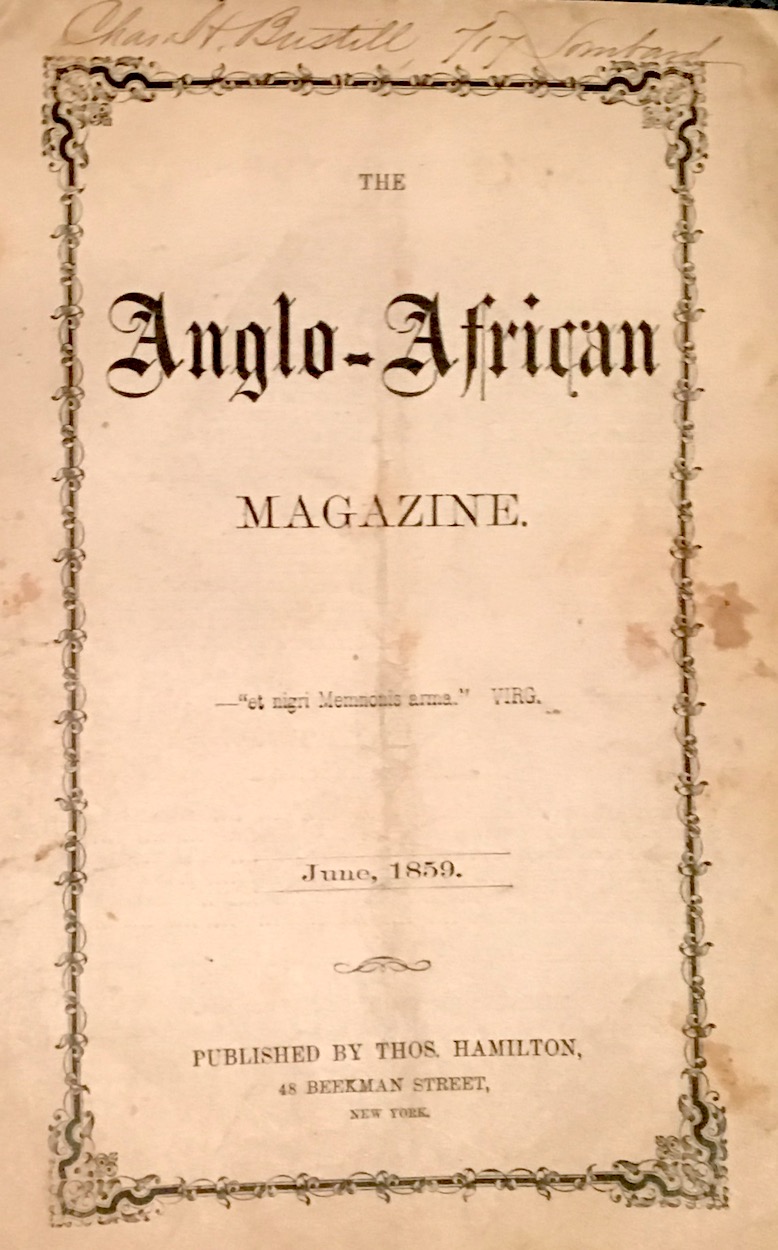
This semester, I added William J. Wilson’s “Afric-American Picture Gallery” (1859) to my Early American literature syllabus. Every semester, I add one or two texts I have never taught to my courses. Recently, I have headed over to the Just Teach One site for some ideas. That is where I came across Rosa and the “Afric-American Picture Gallery.” Today, I want to talk briefly about … Read More “Afric-American Picture Gallery” and Representation