Category: american literature

+

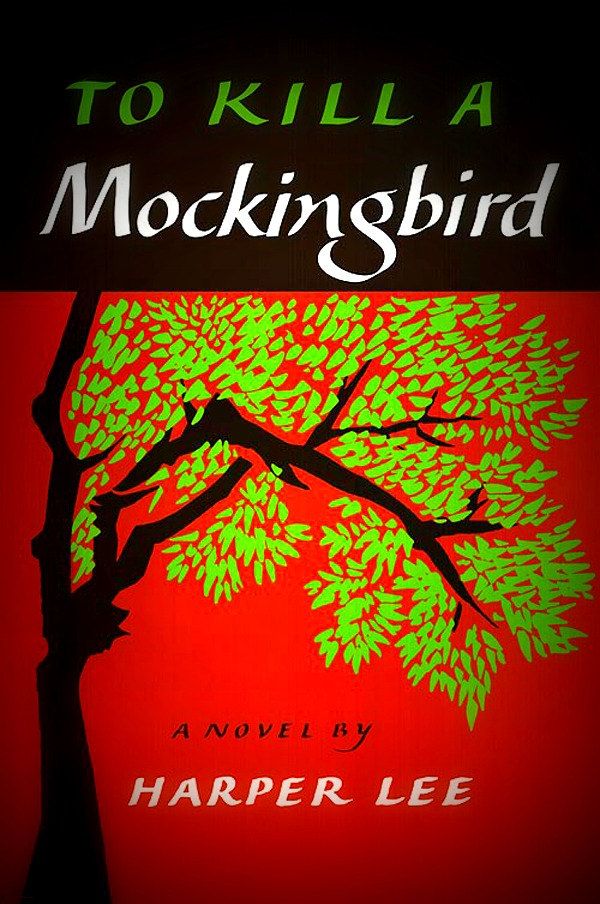
American History and Harper Lee’s “To Kill a Mockingbird”

Last post, I wrote about the Southern paradoxes in Harper Lee’s To Kill A Mockingbird. Today, I want to look at the opening of the novel because Scout traces the events of the novel deep into our nation’s history, before Jem, Scout, or Atticus arrived on the scene. This is important because for all of the missed moments of reflection in the novel, the … Read More American History and Harper Lee’s “To Kill a Mockingbird”
+

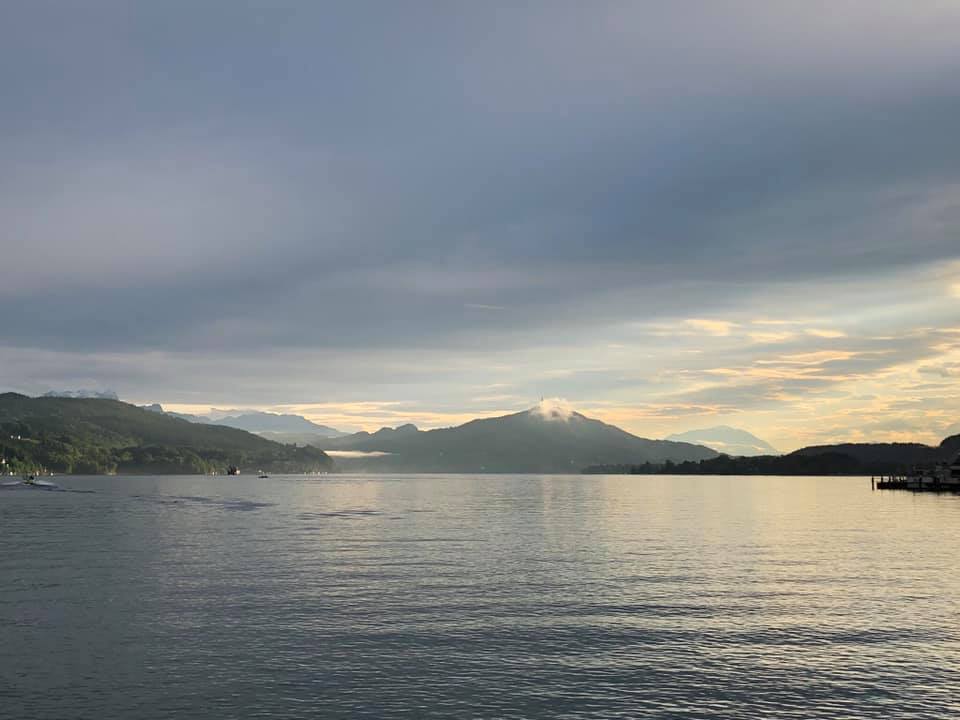
Why do we travel?

One of my favorite quotes comes from Mark Twain. Talking about what travel does to one’s worldview, he wrote in Innocents Abroad, “Travel is fatal to prejudice, bigotry, and narrow-mindedness, and many of our people need it sorely on these accounts. Broad, wholesome, charitable views of men and things cannot be acquired by vegetating in one little corner of the earth all one’s lifetime.” … Read More Why do we travel?

+

The Great Gatsby Lecture

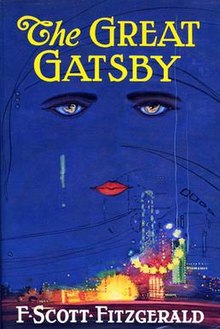
For my lecture last fall on F. Scott Fitzgerald’s The Great Gatsby (1925), I decided to focus on the ways that Fitzgerald’s novel does not speak for all of its readers but also how the novel overtly challenges the myth of the American Dream. This challenging of the myth does not only occur with Gatsby. Rather, it occurs from the very beginning of the … Read More The Great Gatsby Lecture

+

Facades in F. Scott Fitzgerald’s “The Great Gatsby”

F. Scott Fitzgerald’s The Great Gatsby (1925) challenges the mythology of the American Dream through its multiple layers of the facade that appear throughout the novel. These facades do not merely occur with Gatsby’s house or the rumors surrounding his life. Rather, they appear elsewhere, some even on a meta-level within the text. Today,  I want to briefly discuss a few of these instances. … Read More Facades in F. Scott Fitzgerald’s “The Great Gatsby”

+

The Problematic Nature of Willa Cather’s Final Novel

When I was constructing my “Introduction to Modernism” course this semester, I decided to use Ernest J. Gaines’ work as the focal point, moving outwards from his work back into the past and towards he present, not limiting modernist thought to one particular temporal period. I did this, mainly, because Gaines, time and time again, has spoken about the influence of Modernists and Russian … Read More The Problematic Nature of Willa Cather’s Final Novel