Category: Literature

+

The Tongue Kindles a Great Fire in Jessie Redmon Fauset’s “Comedy: American Style”

Jessie Redmon Fauset’s Comedy: American Style opens with a description of Olivia Cary (née Blanchard), at the age of nine before she “had attained to that self-absorption and single-mindedness which were to to stamp her later life.” Preceding her “self-absorption,” Olivia thought about a text she read in Sunday School: “Behold how great a matter a little fire kindleth” (James 3:5b). At first, the … Read More The Tongue Kindles a Great Fire in Jessie Redmon Fauset’s “Comedy: American Style”

+

Art Serves as Reflection of Ourselves

What is the role of art in society? During the Harlem Renaissance, luminaries such as W.E.B DuBois argued that all art should serve as propaganda and should stem from classical traditions whereas others such as Langston Hughes sought to make art of and about the people, eschewing the position that art should be “lofty.” Throughout A Long Way from Home, Claude McKay addresses this … Read More Art Serves as Reflection of Ourselves

+

The Dangers of Unquestioned Patriotism

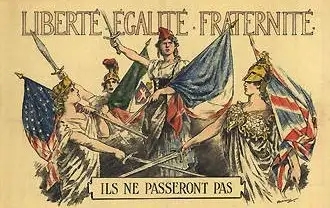
For my “Liberté, Égalité, Fraternité” course this semester, I’m teaching Claude McKay’s Romance in Marseille, a book that builds upon the action in his 1929 novel Banjo: A Story Without a Plot. I plan to teach Banjo in my study travel class, where we will travel to Marseille and Nice. Because of this, I chose to read Banjo recently in preparation for Romance in Marseille and for the study travel trip. As … Read More The Dangers of Unquestioned Patriotism

+

Liberté, Égalité, Fraternité Syllabus

With the new year comes new courses, and that means new syllabi. This semester, I am teaching two courses, an English course and a Lillian E. Smith Studies course. I have taught these course numerous times, and you can find various iterations of the syllabi on my blog. Today, I want to share the syllabus for my English course, which I am entitling “Liberté, … Read More Liberté, Égalité, Fraternité Syllabus

+

James Baldwin, Jim Crow, and the Holocaust

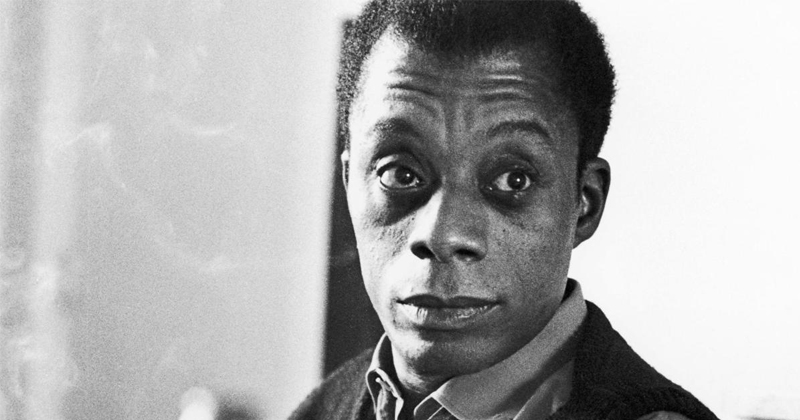
During my “Jim Crow and the Holocaust” class, I am continually coming across new texts to add to an ever expanding bibliography or work that looks at the intersections between Jim Crow in the United States and the Holocaust in Europe. Recently, I read James Baldwin’s “Negroes are Anti-Semitic Because They’re Anti-White,” which appeared in The New York Times on April 9, 1967, two-months … Read More James Baldwin, Jim Crow, and the Holocaust