Tag: world war ii

+

“We’d find it hard to have enemies if we cared about what happened to them”: How the Construction of “Enemies” Harms Us All

Fear arises not just through a lack of action but also through, as Lillian Smith puts it, “the singsong voices of politicians who preached their demonic suggestions to us as if elected by Satan to do so.” The creation of an enemy, of an other, outside of ourselves, someone we look down upon as “uncivilized,” “unintelligent,” “inferior,” or “”bestial,” serves as a weaponization of … Read More “We’d find it hard to have enemies if we cared about what happened to them”: How the Construction of “Enemies” Harms Us All

+

How Do Individuals Descend Into Brutal Savagery? Part II

In Cold Crematorium: Reporting from the Land of Auschwitz, József Debreczeni provides a detailed and graphic recounting of his time in Nazi concentration camps during 1944–1945. While in Eule, Debreczeni speaks with other individuals about the ease with which people fall into savagery, becoming part and parcel of the atrocities, violence, and murder enacted against their neighbors. Debreczeni contemplates how people who have given the … Read More How Do Individuals Descend Into Brutal Savagery? Part II

+

How Do Individuals Descend Into Brutal Savagery?: Part I

Last year, I read multiple books about World War II, a few of which I included in my Reverberations of World War II course during the fall. These included novels by Anna Seghers, Victor Serge, Magada Szabó, and more. Along with these, I also read some memoirs that detailed individuals’ experiences in the concentration camps in occupied territories during the war. These included Dr. Miklos Nyiszli’s Auschwitz: … Read More How Do Individuals Descend Into Brutal Savagery?: Part I

+

The Transmission of Virulent Ideologies: Part II

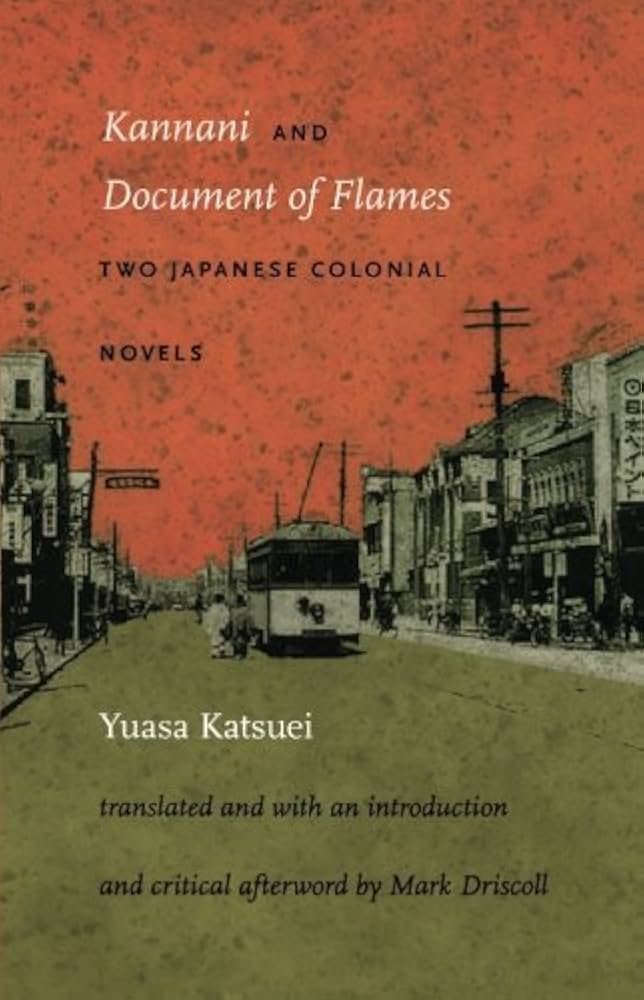
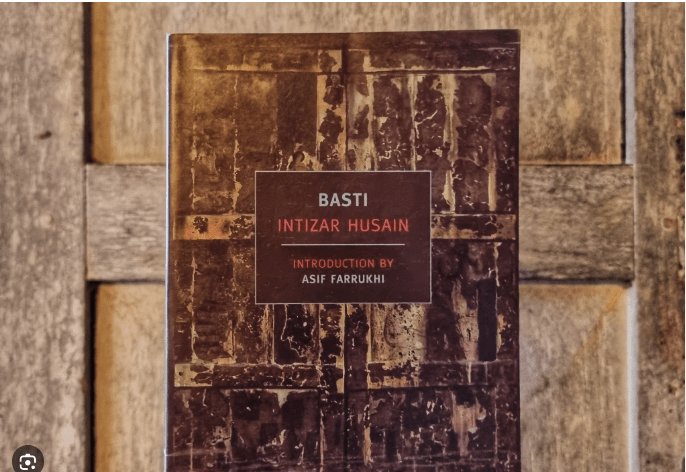
Last post, I wrote about the unease individuals feel when they study their own history and how they feel comfortable learning about this history of others because it removes their own actions from the equation. There, I focused on Zakir in Inzitar Husain’s Basti. Today, I want to continue that discussion; however, I want to shift it a little by looking at the ways that Yuasa Katsuei … Read More The Transmission of Virulent Ideologies: Part II

+

The Transmission of Virulent Ideologies: Part I

In my last post, I wrote about the spreading disease and the creation of monsters, specifically the ways that virulent ideologies spread throughout a society. I’ve thought about this a lot over the past few years, and it is a theme that keeps coming up, again and again, in novels I’ve been reading, specifically two novels I am teaching in my Reverberations of World War II … Read More The Transmission of Virulent Ideologies: Part I