Tag: world war ii

+

“What will I do to ensure life, liberty, and freedom for those being attacked?”

I constantly think about the transmission of racist and hateful thought, specifically the ways that this thought gets passed down from generation to generation. Along with this, I think about the ways that everyday people, who in their hearts know what they see happening around them is wrong, end up becoming part and parcel of the oppression enacted upon others. These two topics have … Read More “What will I do to ensure life, liberty, and freedom for those being attacked?”
World War II Literature Syllabus

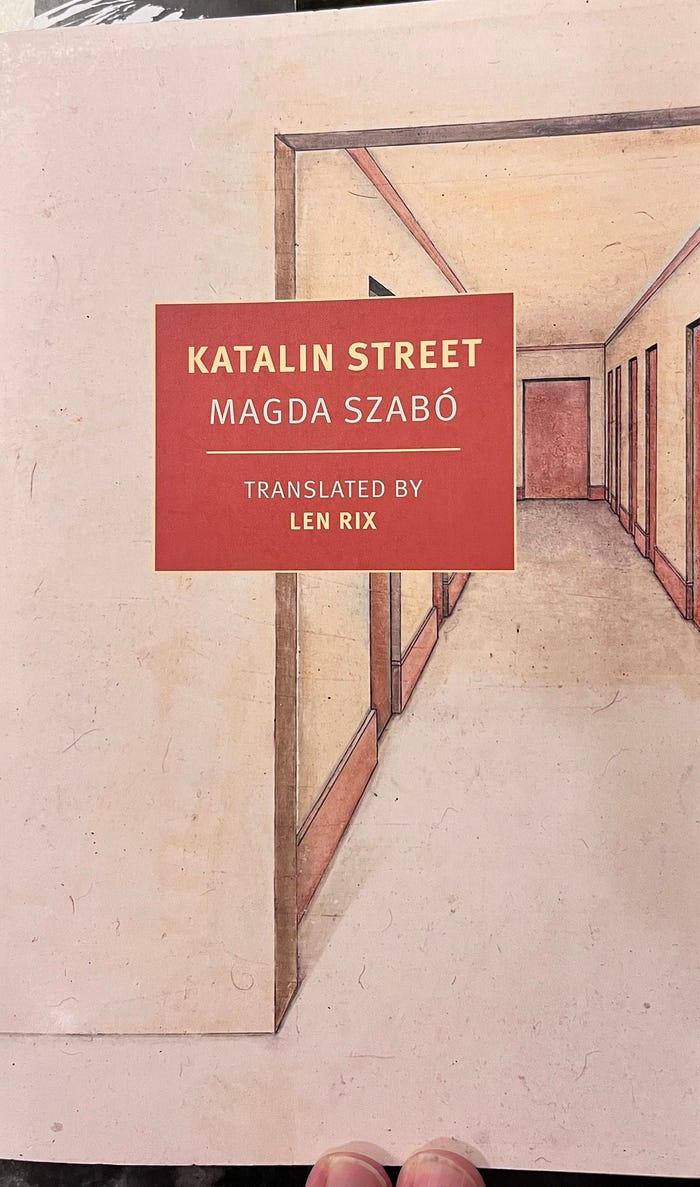
A couple of years ago, I started doing something I never really thought I’d do: I began to read and research more about the Holocaust and World War II. I grew up with media depicting the Untied States’ perspective during World War II, specifically the heroic acts of United States service members in the fight against fascism. All of this, of course, positioned the … Read More World War II Literature Syllabus

+

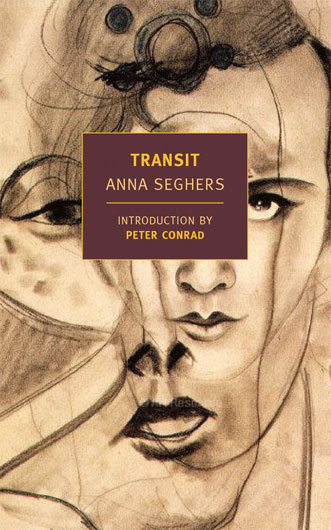
Art as Resistance in Anna Seghers’ “Transit”

Over the past few weeks, I’ve been reading multiple books set in Marseille. Specifically, I have read two novels detailing the movement of refugees during World War II to the port city in hopes of escaping the Nazi advance. Before leaving for Marseille, I read Julie Orringer’s The Flight Portfolio, a fictionalized account of Varian Frye’s work the Emergency Rescue Committee (ERC) in Marseille … Read More Art as Resistance in Anna Seghers’ “Transit”

+

Avignon, France, May 8, 2023

During our “Black Expatriate Writes in France” course, I had students journal and reflect upon their travels. I decided to keep a journal as well, and to this point, I have done three entires. The first one in Avignon took me a few days, because of various things, but I finally finished it before we left the city. Over the next few posts, I … Read More Avignon, France, May 8, 2023

+

Who do you want to be?

As World War II progressed, concentration camps such as Dachau, which opened in March 1933 and could accommodate 5,000 people, ballooned in size and no one could escape the atrocities perpetrated by the Nazis. By the end of the war, when the Americans liberated Dachau in 1945, Konnilyn Feig points out the camp held 30,000 prisoners, six times what it could accommodate, and “8,000 unburied corpses.” … Read More Who do you want to be?