Category: graphic novels

+

Visual Structure in Adrian Tomine’s “Killing and Dying”

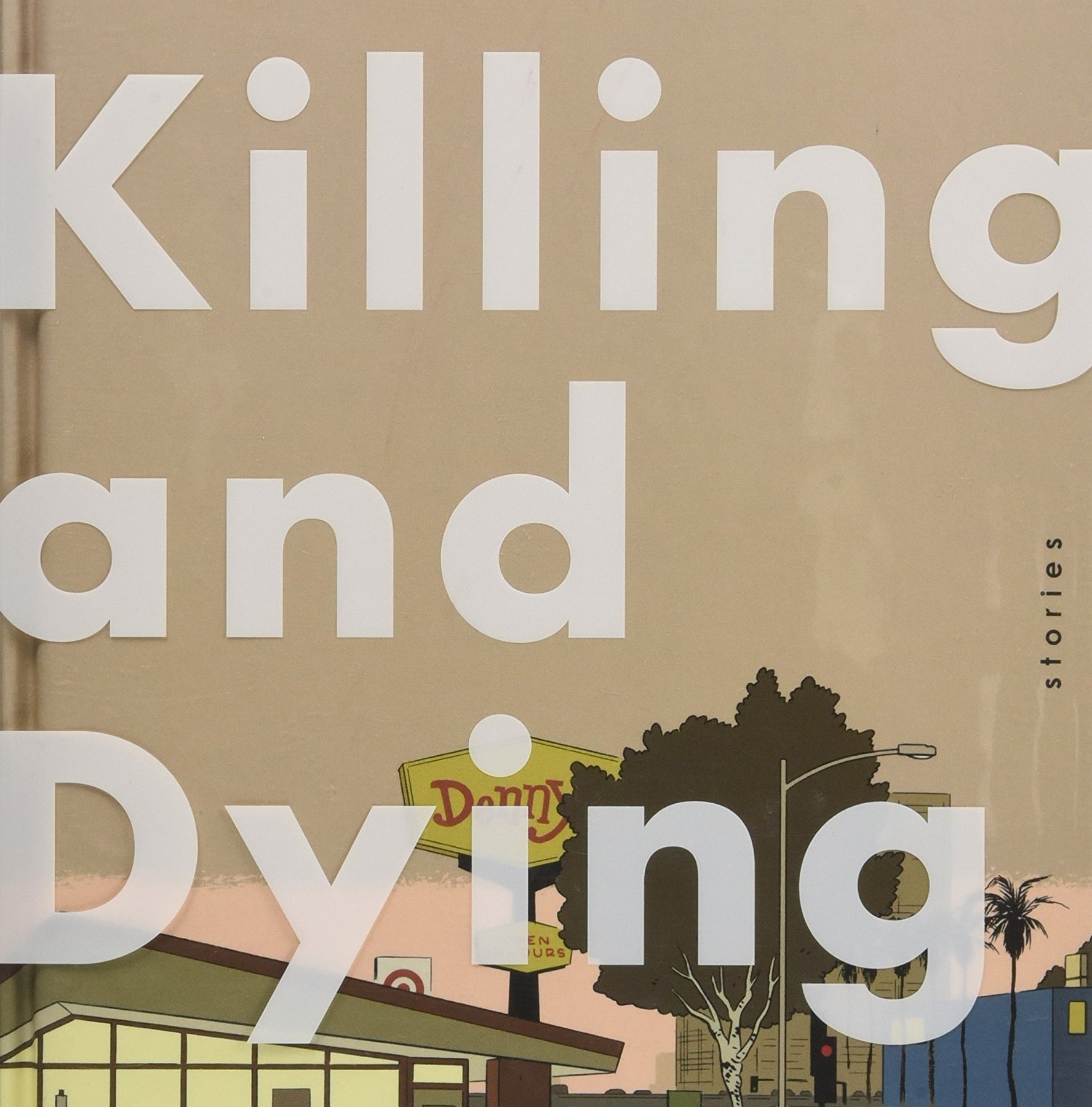
On Monday, I started looking at Adrian Tomine’s Killing and Dying (2015), specifically the “Hortisculpture” and “Translated, from the Japanese.” Today, I want to continue looking at Tomine’s work by discussing “Killing and Dying,” a story that explore relationships and the ways that people try to cope with death. “Killing and Dyring,” like the previous two that I wrote about, see Tomine employing different … Read More Visual Structure in Adrian Tomine’s “Killing and Dying”
+

Style in Adrian Tomine’s “Killing and Dying”

A few weeks ago, I was looking for a new graphic novel to read and someone suggested Adrian Tomine’s Killing and Dying (2015), a collection of six stories within one collection. These stories, specifically “Hortisculpture,” “Translated from Japanese,” “Killing and Dying,” and “Intruders” stuck out to me. Each of the stories in Killing and Dying address issues of modernity, isolation, loneliness, death, and a … Read More Style in Adrian Tomine’s “Killing and Dying”

+

Connections in Lucy Knisley’s “An Age of License”

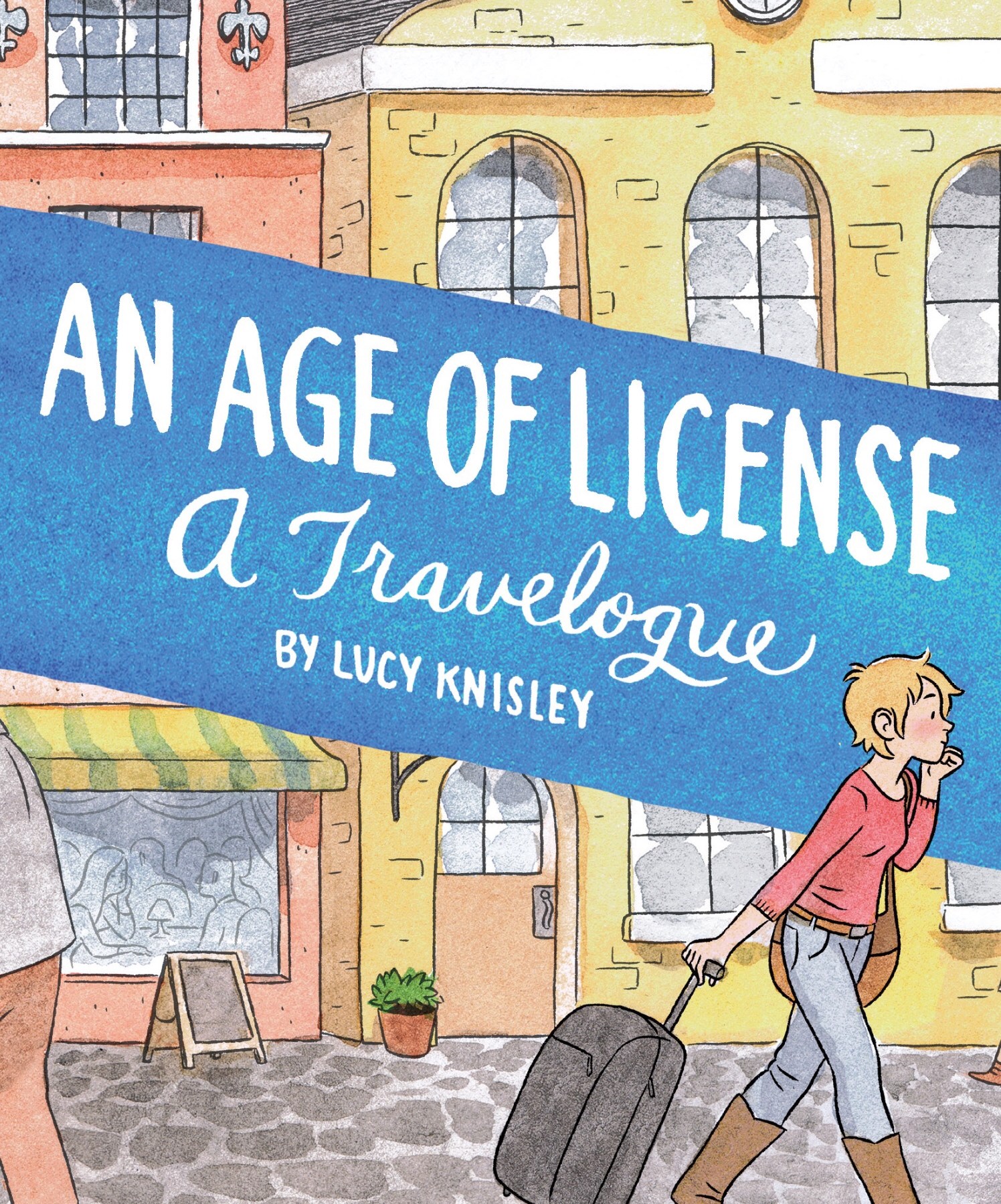
Last post, I wrote about Lucy Knisley’s An Age of License (2014). Today, I want to continue looking at Knisley’s book, specifically as it relates to my continuing thoughts on the ways that travel and place connect us. Edvard Grieg once said, “Min mening er, at på samme måte som mennesket er individuelt og sosialt, slik er kunstneren både nasjonal og kosmopolitt!” (“My opinion … Read More Connections in Lucy Knisley’s “An Age of License”

+

“Unhoming” and Lucy Knisley’s “An Age of License”

Last December, I had the opportunity to head over to Oslo to speak with Videregående skole (VGS) teachers about the use of comics and graphic novels in the classroom. I spoke about texts such as G. Willow Wilson and Adrian Alphona’s Ms. Marvel, Jeff Lemire’s The Underwater Welder, and more. In preparation for the talk, I started reading more texts and came across Lucy … Read More “Unhoming” and Lucy Knisley’s “An Age of License”

+

Confronting Selective Memory in Jérémie Dres’ “We Won’t See Auschwitz”

As a literature scholar, I see the links between the past, present, and future as inextricably linked together. Jérémie Dres‘ autobiographical graphic novelWe Won’t See Auschwitz (2011) highlights these linkages in a concrete manner as it chronicles Jérémie and his brother Martin’s trip to Poland to trace their family’s roots before the Holocaust. As the title suggests, the brothers do not go to Auschwitz. … Read More Confronting Selective Memory in Jérémie Dres’ “We Won’t See Auschwitz”