Category: lillian e smith

+

The “historical self” and the “self self”: Part II

In last Thursday’s post, I wrote about the “historical self” and the “self self” that Claudia Rankine references in one of the vignettes in Citizen: An American Lyric. Today, I want to finish that discussion by looking some more at Rankine’s work, Lillian Smith, and concluding with Jamaica Kincaid’s A Small Place.
+

The “historical self” and the “self self”: Part I

Last post, I wrote about the ways that racism, subjugation, and history imprisons everyone, the oppressed and the oppressor alike. Today, I want to continue that discussion by looking at Lillian Smith’s Killers of the Dream and connected her discussion with a couple of the vignettes in Claudia Rankine’s Citizen: An American Lyric. While Smith focuses, predominately, on the white psyche, Rankine focuses on … Read More The “historical self” and the “self self”: Part I

Ridding Ourselves of the Giants and Pygmies of the Past

On December 5, 1956, the Montgomery Improvement Association hosted the Institute on Non-Violence and Social Change commemorating the one year anniversary of the Montgomery bus boycott. They asked Lillian Smith to speak; however, she could not attend due to ill health. Rufus Lewis read Lillian’s speech, “The Right Way is Not a Moderate Way,” to the audience. Virginia Durr, who was in the crowd, … Read More Ridding Ourselves of the Giants and Pygmies of the Past

“Celebrating Lillian Smith” Symposium

This year marks the 75th anniversary of Lillian E. Smith’s Strange Fruit and the 70th of Killers of the Dream. To celebrate, the Lillian E. Smith Center will host a symposium on October 26 in Athens, GA, to celebrate Lillian Smith’s life, work, and legacy. You can find more information below. Even if you cannot make the symposium, please share it on social media … Read More “Celebrating Lillian Smith” Symposium

+

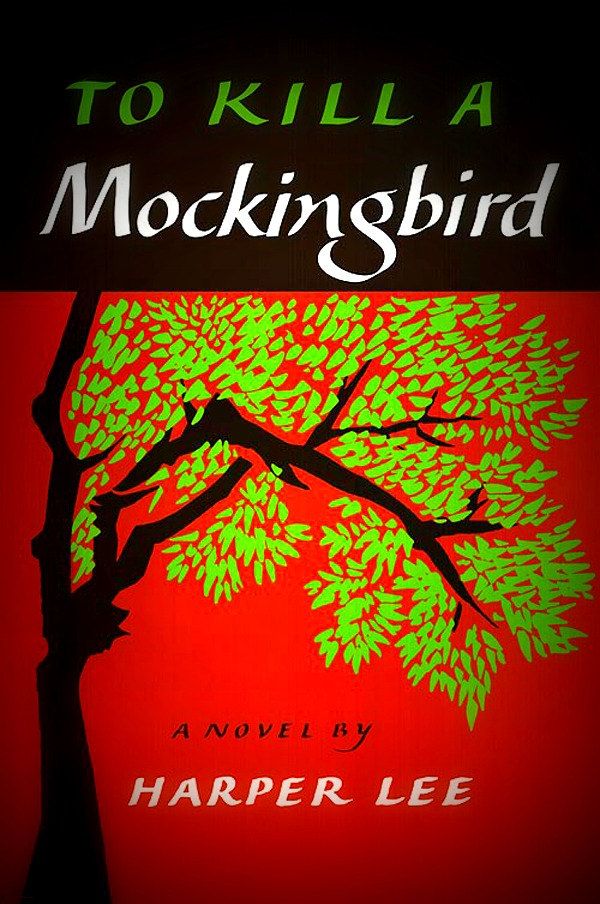
Southern Paradoxes in Harper Lee’s “To Kill A Mockingbird”

Every time I read Harper Lee’s To Kill A Mockingbird (1960), I’m reminded of the book’s problematic nature. Why do we continue to put so much stock in Lee’s novel, teaching it in high schools across the nation? Alice Randall points out the problems within Lee’s novel and states, “Let’s be clear: “To Kill a Mockingbird” is not a children’s book. It is an … Read More Southern Paradoxes in Harper Lee’s “To Kill A Mockingbird”