Category: Literature

+

Lydia Maria Child’s “Chocorua’s Curse” and America’s Literary Presence

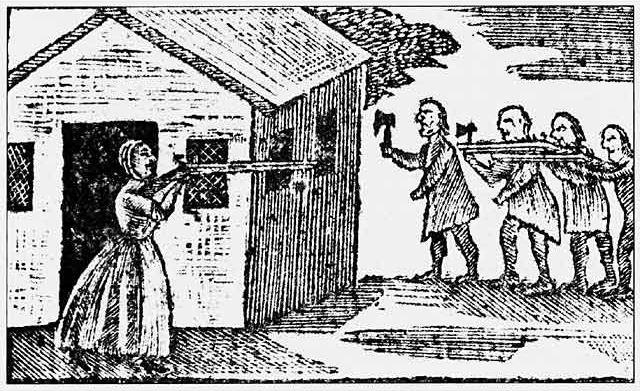
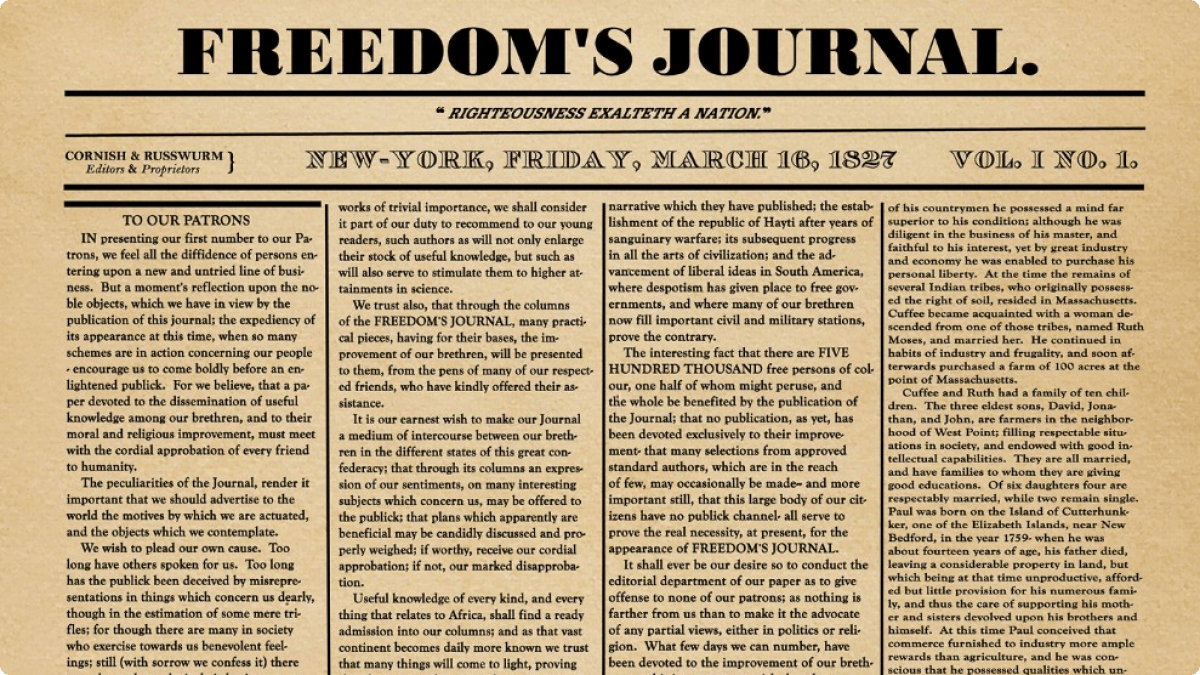
Previously, I have written about calls for distinctly American literature in the early part of the eighteen hundreds and the role of newspaper reporting in Lydia Maria Child’s “Slavery’s Pleasant Homes.” Today, I want to take a moment and look at Child’s “Chocorua’s Curse,” a short story that originally appeared in The Token in 1830. (Page 257 in the link.) Child’s story, short as … Read More Lydia Maria Child’s “Chocorua’s Curse” and America’s Literary Presence
+

Archives and Collaborative Documents in the Literature Classroom

Last Tuesday, I wrote about some of the ways I have been implementing technology into my composition and literature classrooms. Today, I want to speak about a couple of more ways that I am incorporating the Internet and Web 2.0 tools into the literature classroom.

Laziness or Pedagogical Instability?

Over the past couple of weeks, we have been reading about the digital landscape and technology in the classroom during my composition class. The readings, varying in years from 2001 to the present, have gotten me interested in thinking about the ways that I incorporate technology into the classroom while at the same time making that implementation engaging to the students and not just … Read More Laziness or Pedagogical Instability?

+

Mary Rowlandson and Identity

Mary Rolwandson’s A True History of the Captivity and Restoration of Mrs. Mary Rowlandson: A Minister’s Wife in New-England: Wherein is set forth, The Cruel and Inhumane Usage she underwent amongst the Heathens for Eleven Weeks time: And her Deliverance from them. Written by her own Hand, for her Private Use: and now made Public at the earnest Desire of some Friends, for the … Read More Mary Rowlandson and Identity

+

Navigating Two Worlds: Samson Occom and William Apess

I am always amazed at the similarities between texts in class. I pair texts together for a reason, but it is always satisfying when other similarities and points of discussion arise between paired texts. This happens all of the time, and when I taught Samson Occom (Mohegan) and William Apess (Pequod) last week, new aspects arose that strengthened reading the two authors, separated by … Read More Navigating Two Worlds: Samson Occom and William Apess