Category: american literature

+

Surveillance and “Dark Sousveillance” in Solomon Northup

In various posts, I ave written about surveillance in African American literature and music in the works of Ernest J. Gaines, Lecrae, and Arna Bontemps. Drawing upon Jeremy Bentham’s “Panopticon,” Michel Foucault argues that individuals, in various settings, experience surveillance whether they know it or not. As well, that surveillance creates within the subject a feeling of policing him or herself, thus becoming both … Read More Surveillance and “Dark Sousveillance” in Solomon Northup
+

The Juxtaposition of Beauty and Brutality in Solomon Northup’s Twelve Years a Slave

During an interview with Henry Louis Gates, Jr., Steve McQueen commented on the juxtaposition between beauty and horror in his film adaptation of Twelve Years a Slave (2013). I have written about this before in regards to the scene where Tibeats attempts to lynch Nortup. Today, I want to expand upon that discussion some more, especially after recently rereading Northup’s narrative. This time around, … Read More The Juxtaposition of Beauty and Brutality in Solomon Northup’s Twelve Years a Slave

+

“What are we teaching when __________?” Part II of “Why can’t we just move on? The past is the past.”

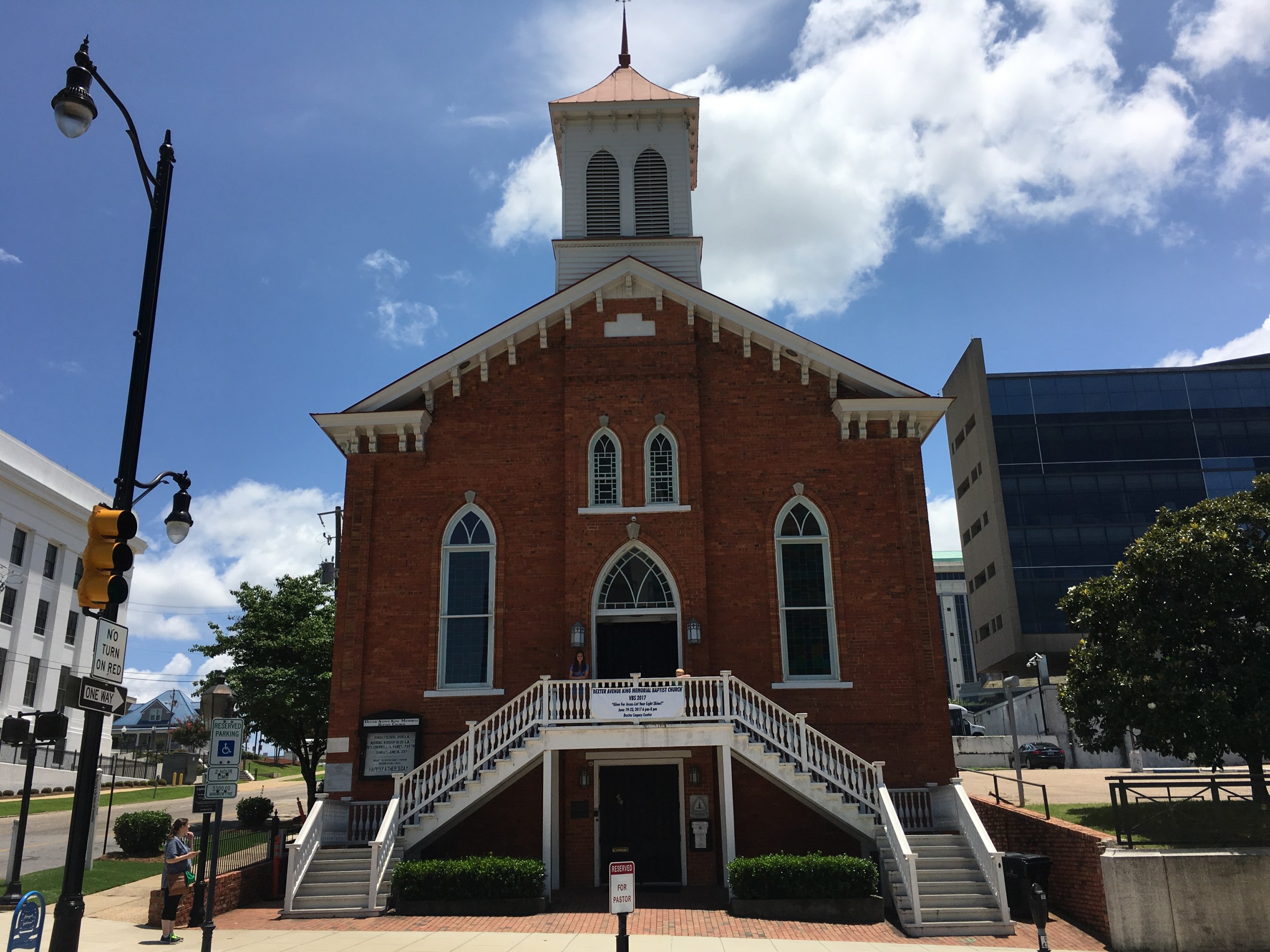
Last weekend, I took a trip to Montgomery to visit the SPLC’s Civil Rights Memorial and the Rosa Parks Museum and Library. While at the Civil Rights Memorial, I came across an image that made me think about a lot of the recent posts I have been writing. Specifically, it made me think about my last post that seeks to explain why the past … Read More “What are we teaching when __________?” Part II of “Why can’t we just move on? The past is the past.”

+

“Why can’t we just move on? The past is the past.”

My own people owned people, but they don’t own that They say racism’s dead, man our President is black Two terms in the White House, that don’t mean jack If we still believe our present ain’t affected by our past–Andy Mineo “Uncomfortable” One question I hear over and over again when I speak or write about the history of racism, subjugation, and oppression in … Read More “Why can’t we just move on? The past is the past.”

+

Preaching in the Wilderness: John Marrant and John the Baptist

I enjoy teaching John Marrant’s A Narrative of the Lord’s Wonderful Dealing with John Marrant, A Black (1785) for various reasons, chief among them being that Marrant’s narrative destabilizes students’ perceptions about African Americans during the early years of the republic in similar ways that Sarah Kemble Knight does with women during the colonial period and William Apess does with Native Americans later in … Read More Preaching in the Wilderness: John Marrant and John the Baptist