Category: ernest j gaines

+

The Roots Beneath Our Feet

Currently, I’m working on a paper that looks at the ways that Attica Locke’s The Cutting Season, amongst other things, critiques the plantation tourism industry in the South. As I was researching, I came across Rebecca C. McIntyre’s “Promoting the Gothic South,” an article that explores the ways that travel writers, after the Civil War, began to construct images of the South, specifically in … Read More The Roots Beneath Our Feet
+

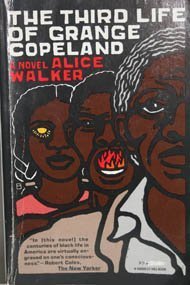
History and Education in Alice Walker’s “The Third Life of Grange Copeland”

Today, I’m going to finish the discussion I began last week on history and the ways that we construct meaning. In the last post, I looked at Ernest J. Gaines’ The Autobiography of Miss Jane Pittman (1971). For this post, I will focus on one more scene from Gaines’ novel then move on to look at a section from Alice Walker’s The Third Life … Read More History and Education in Alice Walker’s “The Third Life of Grange Copeland”

+

“Miss Jane is not in them”: Voices in Historical Narratives

Over the past couple of posts, I have written about the role of history and literature in countering prevailing myths about the past and the present. Today, I want to continue that discussion by looking at a couple of scene from Ernest J. Gaines’ The Autobiography of Miss Jane Pittman (1971). On Thursday, I will finish this series by looking at a section from … Read More “Miss Jane is not in them”: Voices in Historical Narratives

+

Why does history matter?

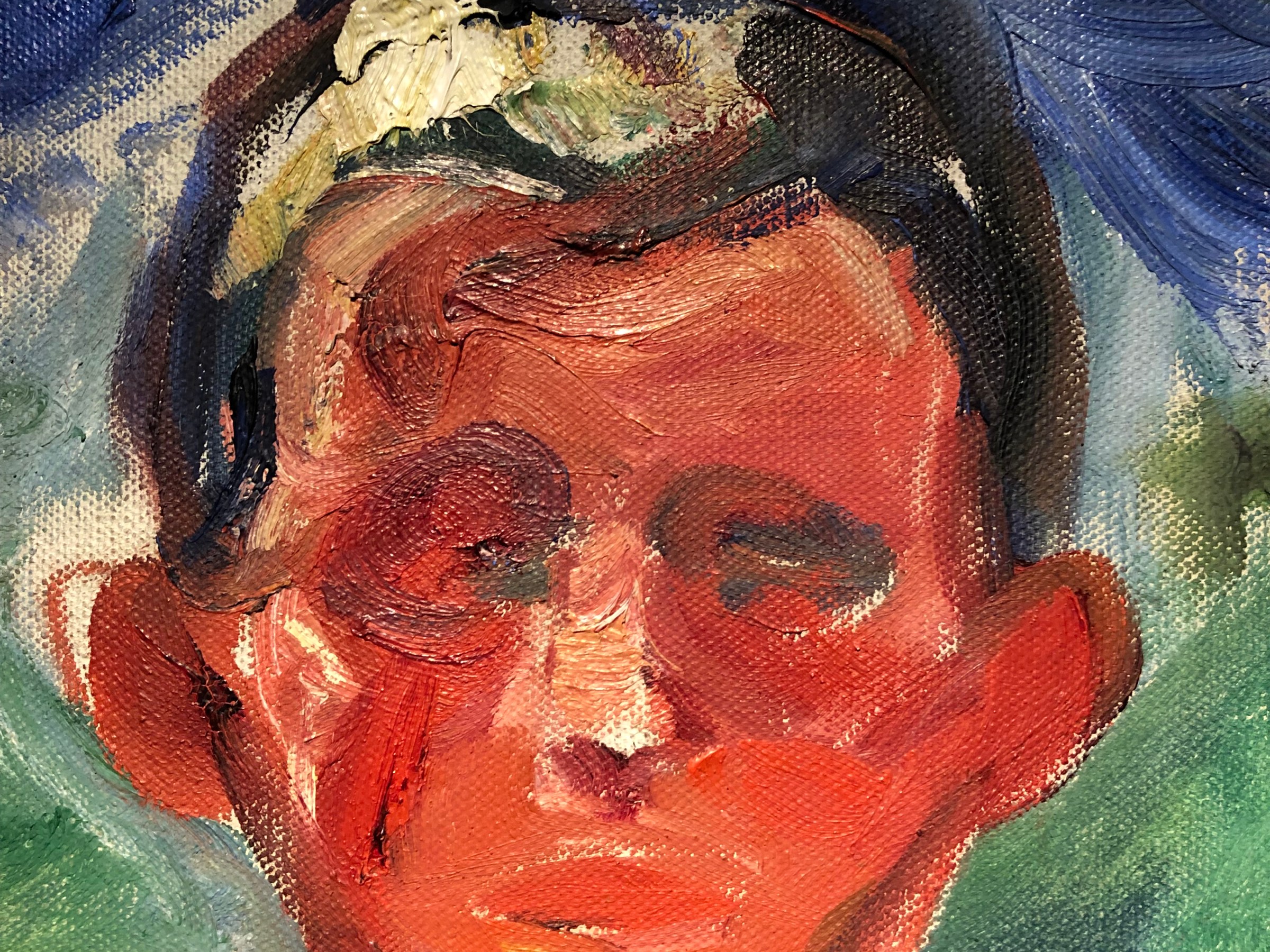
Visiting one of the museums here in Bergen, I walked through the rooms of Edvard Munch’s work, stopping in front of Ungdom (Youth). Ungdom is a large portrait of a boy with a multicolored background behind him that looks, in many ways, like waves. As I started at the portrait, I walked closer and peered at the background near the boy’s right arm and … Read More Why does history matter?

+

I’m the Victim of America’s Sin. I’m What Sin Is.

Over the last couple of posts, I have written about Jeff Nichols’ Loving and the legal constructions of race. Today, I want to conclude that discussion by looking some at Jean Toomer’s Cane (1923) and Ernest J. Gaines’ The Autobiography of Miss Jane Pittman (1971). In each of these texts, published close to fifty years apart, Toomer and Gaines highlight the ways that words … Read More I’m the Victim of America’s Sin. I’m What Sin Is.