Category: frederick douglass

+

Frederick Douglass’ “What to the Slave is the Fourth of July?” and How We Need to Think About the Past

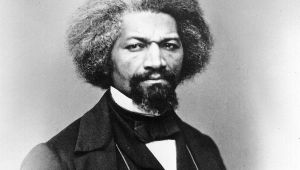
On July 5, 1852, Frederick Douglass gave a speech entitled “What to the Slave is the Fourth of July?” Last week, I wrote about a small section of this speech, and today I want to expand that discussion some more, looking at what Douglass says about what we should do, or shouldn’t do, with the past. The entire speech, of course, focuses on America’s … Read More Frederick Douglass’ “What to the Slave is the Fourth of July?” and How We Need to Think About the Past

+

The Transmission of Racist Thought in Solomon Northup’s “Twelve Years a Slave”

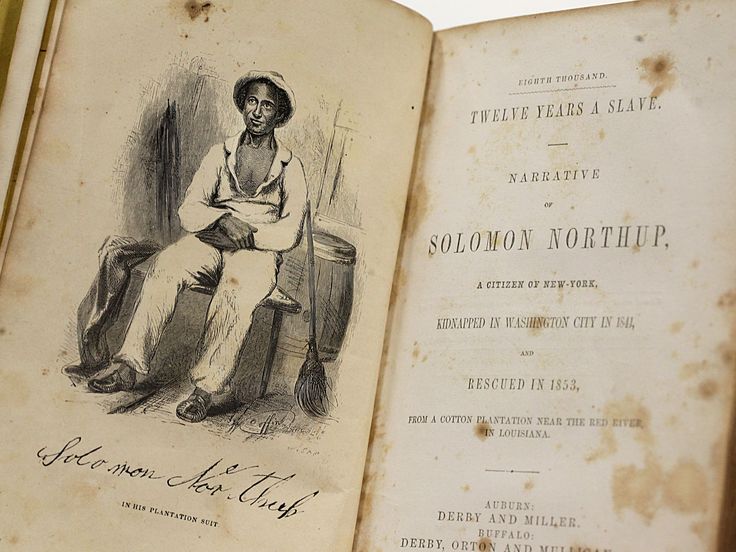
A couple of weeks ago, I wrote a post entitled “Why can’t we just move on? The past is the past.” In that post, I examine how Thomas Jefferson, David Walker, and Solomon Northup all argue that it is nurture, not nature, that produces within us thoughts of discrimination. I wrote about Northup’s descriptions of William Ford and Edwin Epps’ son in that post, … Read More The Transmission of Racist Thought in Solomon Northup’s “Twelve Years a Slave”

+

Fireworks, hot dogs, music, and inequality on the Fourth of July

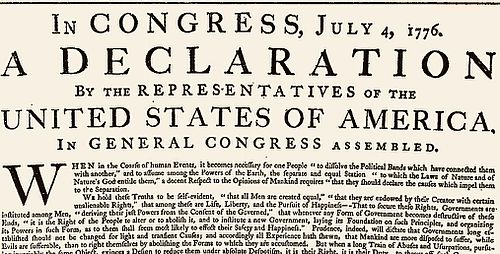
Why you ain’t march on Selma? Why you ain’t tell the refugees “please stay with me”? Why when you take communion, it don’t remind you of your union? That you too were once undocumented too Why do you love your guns more than our sons? Why you patriots first? Why you worshipping the flag?–Propaganda Today, we celebrate the Fourth of July, America’s independence. We … Read More Fireworks, hot dogs, music, and inequality on the Fourth of July

"O Holy Night" and the Abolitionist Movement

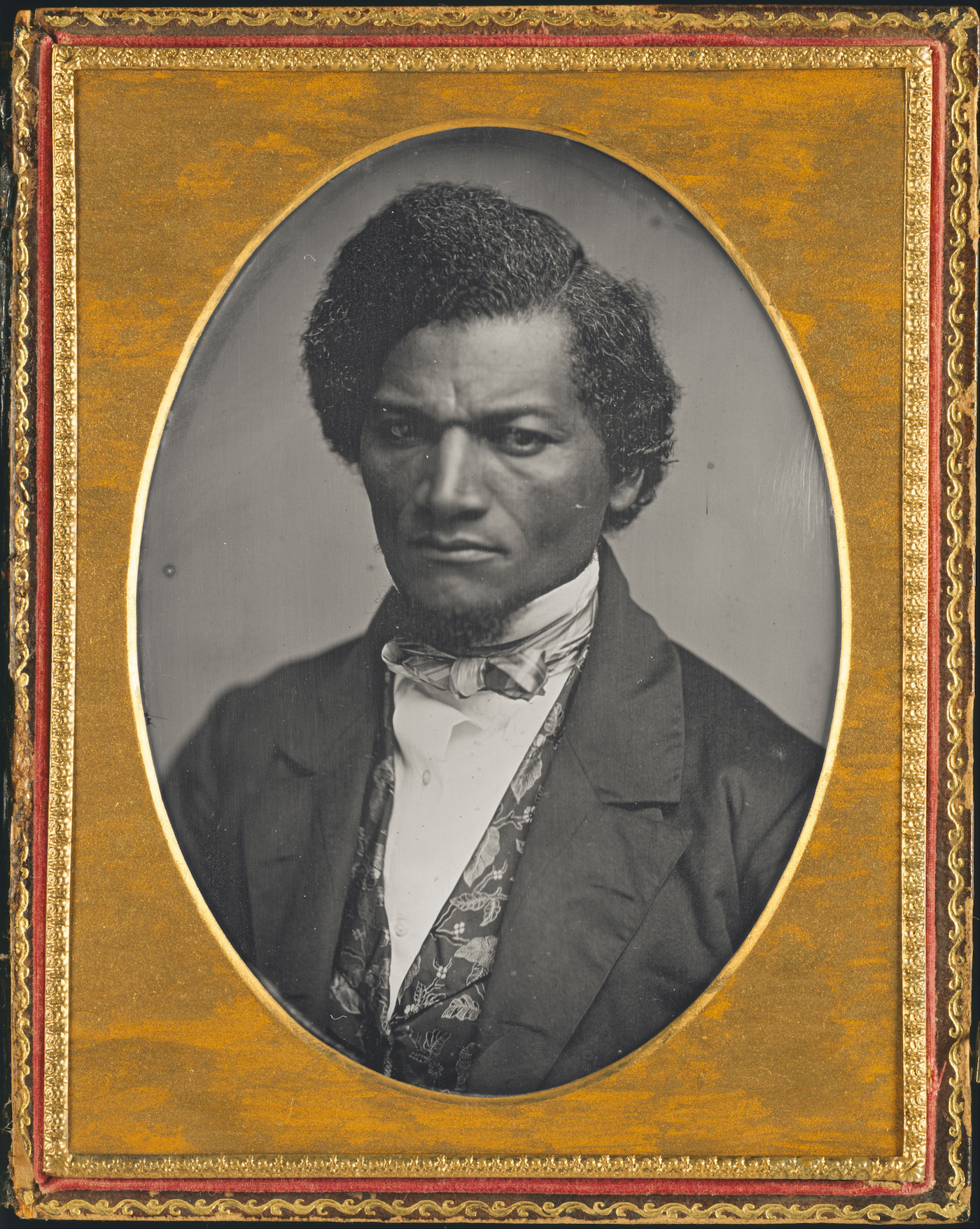
      https://www.youtube.com/watch?v=widuitH9vKs     Note: Interminable Rambling will be taking a break for the next two weeks. We will see you again January 5th. Did you know that “O Holy Night,” a Christmas carol we sing every year, has ties to the abolitionist movement? I didn’t realize this until recently when I heard the song sung. Typically, performers only sing the first … Read More "O Holy Night" and the Abolitionist Movement