Category: Literature

+

Ethnic American Literature Syllabus

Every semester, I post my syllabi here. This fall semester the class may look a little different, but the main goals remain. I’m teaching an ethnic American literature class this fall, and the texts that I have chosen to teach this semester come, as usual, from partly my own desire to expand my own knowledge and understanding of different ethnicities, nationalities, and cultures. As … Read More Ethnic American Literature Syllabus
+

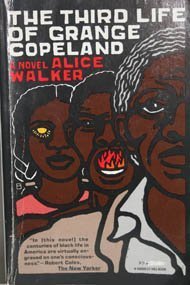
History and Education in Alice Walker’s “The Third Life of Grange Copeland”

Today, I’m going to finish the discussion I began last week on history and the ways that we construct meaning. In the last post, I looked at Ernest J. Gaines’ The Autobiography of Miss Jane Pittman (1971). For this post, I will focus on one more scene from Gaines’ novel then move on to look at a section from Alice Walker’s The Third Life … Read More History and Education in Alice Walker’s “The Third Life of Grange Copeland”

+

“Miss Jane is not in them”: Voices in Historical Narratives

Over the past couple of posts, I have written about the role of history and literature in countering prevailing myths about the past and the present. Today, I want to continue that discussion by looking at a couple of scene from Ernest J. Gaines’ The Autobiography of Miss Jane Pittman (1971). On Thursday, I will finish this series by looking at a section from … Read More “Miss Jane is not in them”: Voices in Historical Narratives

+

Dirt in Lillian E. Smith’s “Strange Fruit”

Lillian E. Smith’s Strange Fruit (1944) has been on my shelf for a few years now. Right now, it sits back in the United States, untouched and locked away in a box in a storage room. When I purchased it, at a book sale, it was one of those books that I had heard about and that looked relevant to my research. I bought … Read More Dirt in Lillian E. Smith’s “Strange Fruit”

+

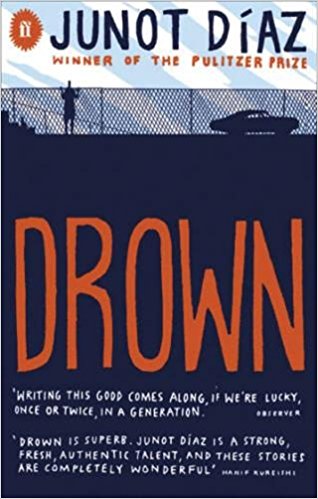
Education and Poverty in Junot Díaz’s “Drown”

Reading Junot Díaz’s “Drown,” my mind constantly kept going back to texts such as Lorraine Hansberry’s A Raisin in the Sun and James Baldwin who said, “Anyone who has ever struggled with poverty knows how extremely expensive it is to be poor.” Along with these items, I also thought about the power structures that keep Yunior de Las Casas in subjugation and essentially strip … Read More Education and Poverty in Junot Díaz’s “Drown”