Category: rebecca hall

+

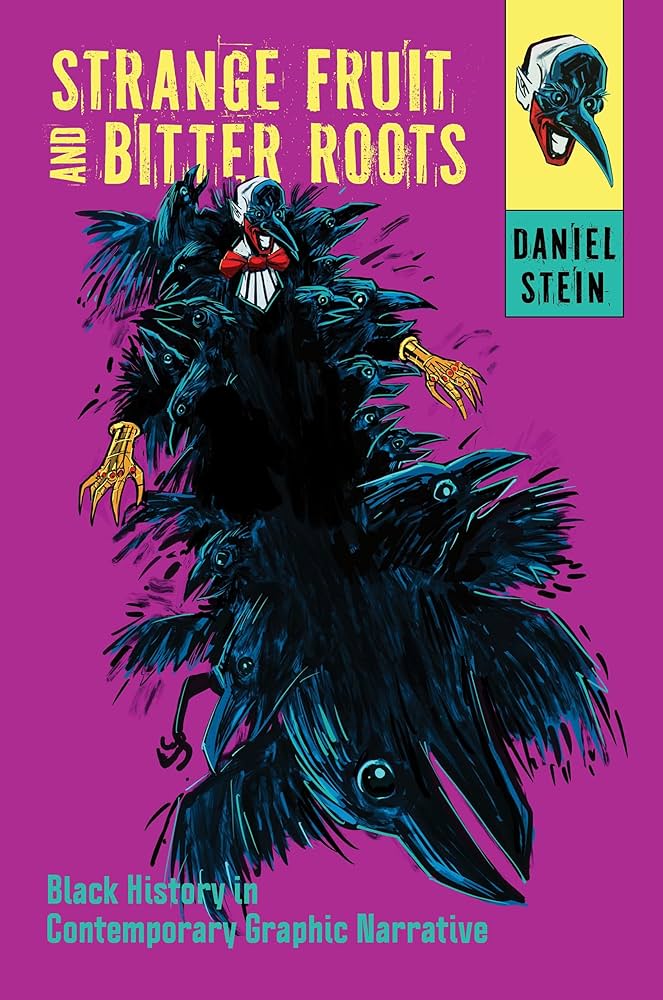
Reading Daniel Stein’s “Strange Fruit and Bitter Roots”

From the moment I heard about Daniel Stein’s recent book, Strange Fruit and Bitter Roots: Black History in Contemporary Graphic Narrative, I knew I wanted to read it, specifically because Stein examines numerous texts that I have used or plan to use in my courses. Stein offers a lot over the course of Strange Fruit and Bitter Roots, moving from an exploration of graphic … Read More Reading Daniel Stein’s “Strange Fruit and Bitter Roots”

+

Silence and the Reclamation of Voice in Rebecca Hall and Hugo Martínez’s “Wake”

Looking through historical documents, specifically British court documents, related to the 1712 slave revolt in New York, Rebecca Hall encounters the names of four women involved in the revolt. However, their testimony doesn’t exist within the record. Instead, it simply reads, in reference to one of the women, “Having nothing to say for herself than what she had previously said . . .” The … Read More Silence and the Reclamation of Voice in Rebecca Hall and Hugo Martínez’s “Wake”

+

“Racially Inflicted Language” and the Archives

In Playing in the Dark, Toni Morrison highlights the ways that language obfuscates yet also illuminates he Africanist presence at the heart of American literature. Morrison delivered the lectures that would constitute Playing in the Dark in 1990, and she foresaw possible backlash from her ideas. She chose to risk backlash because the point she sought to make was vitally important. As she puts it, “for both … Read More “Racially Inflicted Language” and the Archives

+

Retrieving History in Rebecca Hall and Hugo Martínez’s “Wake”

Over the last couple of posts, I’ve been looking at Rebecca Hall and Hugo Martínez’s Wake: The Hidden History of Women-Led Slave Revolts. Today, I want to conclude this series by looking at some of the panels in the last chapter of Wake. Entitled “Ancestry in Progress,” the final chapter brings together the threads that Hall and Martínez weave throughout the text, and as I have discussed previously, … Read More Retrieving History in Rebecca Hall and Hugo Martínez’s “Wake”

+

Layouts in Rebecca Hall and Hugo Martínez’s “Wake”

Last post, I wrote about the ways that Rebecca Hall and Hugo Martínez’s Wake: The Hidden History of Women-Led Slave Revolts uses the juxtaposition of text and image to highlight the continued ways that past impacts the present. Today, I want to continue that discussion and expand it some by focusing specifically on some of Martínez’s layouts. From the opening of Wake to its … Read More Layouts in Rebecca Hall and Hugo Martínez’s “Wake”