Tag: graphic memoir

+

The Quotidian in Art Spiegelman’s “Maus”: Part I

Even though the study travel trip I and a colleague planned this semester for Poland will not happen, I’m continuing to read and learn more about World War II and the Holocaust specifically. Part of this process has been teaching works such as Cynthia Ozick’s The Messiah of Stockholm and Art Spiegelman’s Maus in my Multicultural American Literature course. Along with this, I have … Read More The Quotidian in Art Spiegelman’s “Maus”: Part I

+

Learning History in Lila Quintero Weaver’s “Darkroom”

One of the threads weaving its way through my Multicultural American Literature course this semester focuses on the importance of knowing our history, the good and the bad. This thread appears in Lila Quintero Weaver’s Darkroom: A Memoir in Black & White at the very beginning of the text and moves throughout. I’ve written some about this before, specifically when Weaver details the Know … Read More Learning History in Lila Quintero Weaver’s “Darkroom”

+

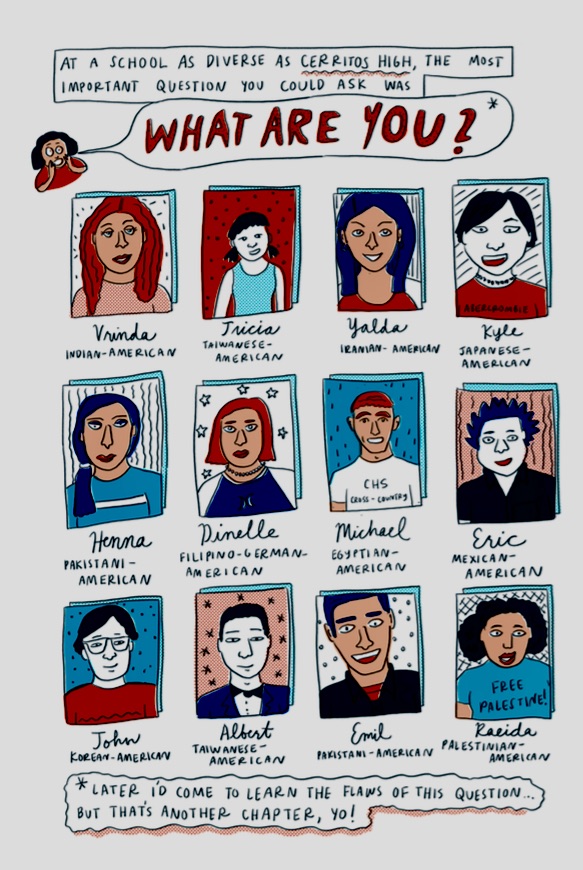
“What are you?”: Part III

Recently, someone told me about an exercise that a professor had his class do during seminary. The professor told the class to talk to someone within their social sphere who they knew but did not really have a relationship with apart from maybe a passing acquaintance. The students had to, before speaking with the person, write down their preconceived notions about the individual. After … Read More “What are you?”: Part III

+

“What are you?”: Part II

Last post, I began looking at the ways that we place individuals into categories, separating them from ourselves, and how this affects the ways that we think about others. Over the next few posts, I want to continue that discussion by focusing on Khadra Shamy in Mohja Kahf’s The Girl in the Tangerine Scarf and the ways that her need to place individuals into … Read More “What are you?”: Part II

+

“What are you?”: Part I

Individuals consistently label others in hopes that they will fit into preconceived constructed categories. The use of these categories helps us navigate the world around us, but these categories also craft differences between individuals. Rather than celebrating these differences, the categories serve, especially to those in power, as a means of severing communities and individuals, causing them to turn on one another out of … Read More “What are you?”: Part I