Month: October 2019

“Celebrating Lillian Smith” Symposium

This year marks the 75th anniversary of Lillian E. Smith’s Strange Fruit and the 70th of Killers of the Dream. To celebrate, the Lillian E. Smith Center will host a symposium on October 26 in Athens, GA, to celebrate Lillian Smith’s life, work, and legacy. You can find more information below. Even if you cannot make the symposium, please share it on social media … Read More “Celebrating Lillian Smith” Symposium

+

Omar ibn Said

In every class, I choose to teach a few new texts that I have never read. Sometimes this will include one texts. Other times it will include more. For this semester, in my multicultural American literature course, I chose two new texts that I had never read before: Hala Alyan’s Salt Houses and Omar ibn Said’s 1831 narrative. I plan to write about each … Read More Omar ibn Said

Art and Creation

In “Going Empty,” Dessa writes about filming the music video for her song “Sound the Bells.” She talks about learning to control her breathing to dive underwater amidst Jason deCaires Taylor’s submerged sculptures off the coast of Mexico. She ruminates about her career, writing about the fears that time is rapidly running out on commercial success. She thinks, Yet all my life I’ve been … Read More Art and Creation

+

Cathartic Destruction

For all of the music I produced, I only recorded in a studio once, during college. I was in a ska band, and we saved up enough money to book some time at a local studio. During one of the songs, it was my turn to track the guitar solo. I went into the booth, put the headphones on, and played what I normally … Read More Cathartic Destruction

+

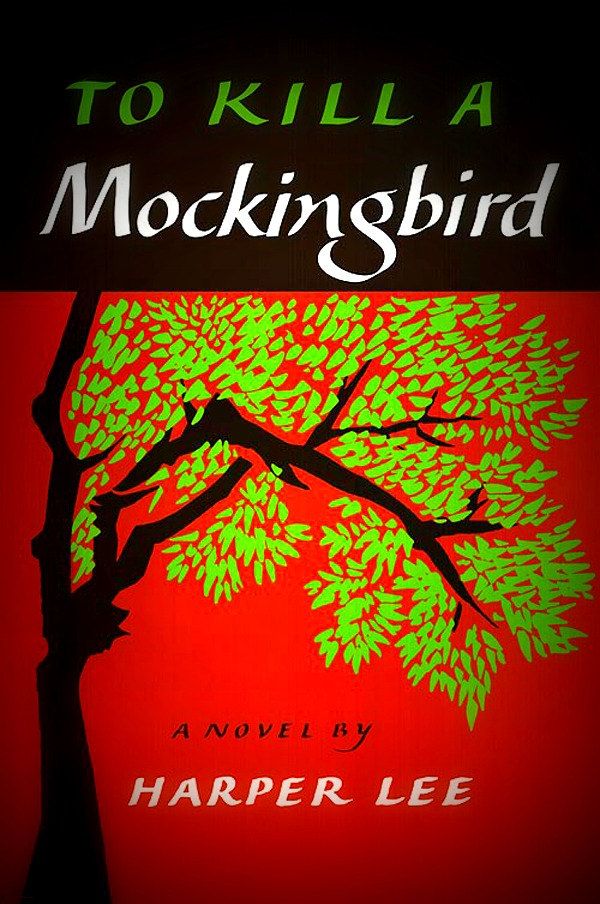
American History and Harper Lee’s “To Kill a Mockingbird”

Last post, I wrote about the Southern paradoxes in Harper Lee’s To Kill A Mockingbird. Today, I want to look at the opening of the novel because Scout traces the events of the novel deep into our nation’s history, before Jem, Scout, or Atticus arrived on the scene. This is important because for all of the missed moments of reflection in the novel, the … Read More American History and Harper Lee’s “To Kill a Mockingbird”