Year: 2019

+

Cathartic Destruction

For all of the music I produced, I only recorded in a studio once, during college. I was in a ska band, and we saved up enough money to book some time at a local studio. During one of the songs, it was my turn to track the guitar solo. I went into the booth, put the headphones on, and played what I normally … Read More Cathartic Destruction
+

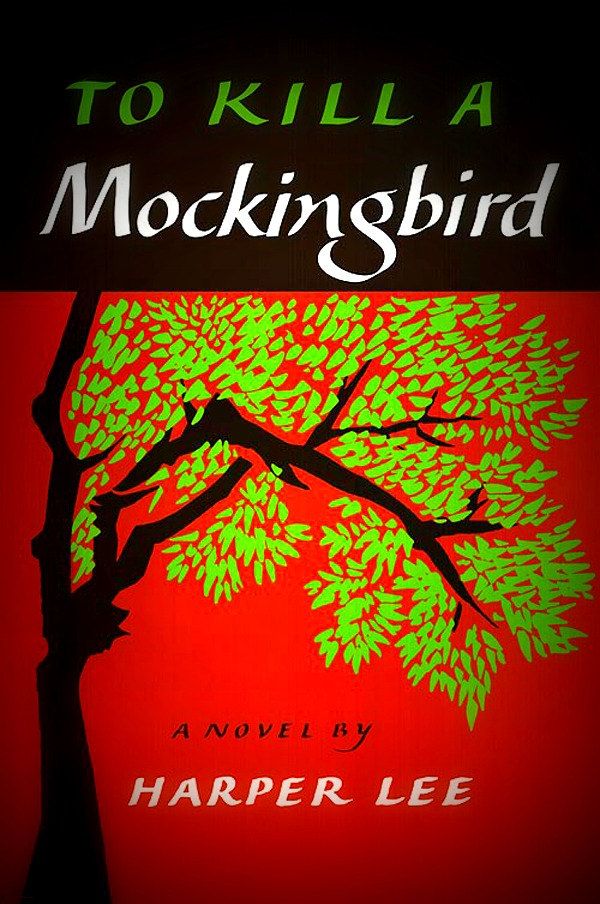
American History and Harper Lee’s “To Kill a Mockingbird”

Last post, I wrote about the Southern paradoxes in Harper Lee’s To Kill A Mockingbird. Today, I want to look at the opening of the novel because Scout traces the events of the novel deep into our nation’s history, before Jem, Scout, or Atticus arrived on the scene. This is important because for all of the missed moments of reflection in the novel, the … Read More American History and Harper Lee’s “To Kill a Mockingbird”

+

Southern Paradoxes in Harper Lee’s “To Kill A Mockingbird”

Every time I read Harper Lee’s To Kill A Mockingbird (1960), I’m reminded of the book’s problematic nature. Why do we continue to put so much stock in Lee’s novel, teaching it in high schools across the nation? Alice Randall points out the problems within Lee’s novel and states, “Let’s be clear: “To Kill a Mockingbird” is not a children’s book. It is an … Read More Southern Paradoxes in Harper Lee’s “To Kill A Mockingbird”

+

How Do I Respond to “Where Are You From?”

Last year, in Norway, everyone I met would ask, “Where are you from?” This year, in Georgia, I get the same question. My answer to this question inevitably varies, but it follows a pretty similar formula. In Norway, I would reply, “I’m from Auburn, Alabama. I’ve been there two years. Before that, I was in Lafayette, Louisiana, and I’m originally from Northwest Louisiana.” In … Read More How Do I Respond to “Where Are You From?”

+

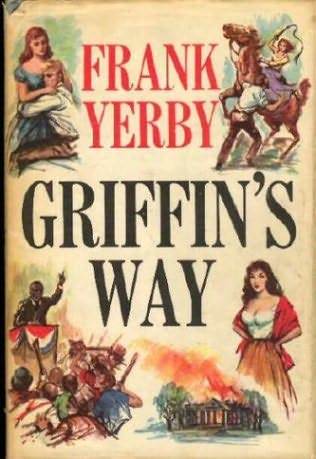
The “Visceral Feelings” of Racism in Frank Yerby’s “Griffin’s Way”

Throughout his career, Frank Yerby confronted whiteness and white supremacy in his novels. He looked at the ways that racism, xenophobia, nationalism, and oppression affected the oppressor as well as the oppressed. This is what Lillian Smith does throughout her work. It’s what Harper Lee attempts to do in To Kill a Mockingbird. It’s what Toni Morrison says we should do in Playing in … Read More The “Visceral Feelings” of Racism in Frank Yerby’s “Griffin’s Way”