Year: 2019

+

The Mythologized South in Frank Yerby’s “Griffin’s Way”

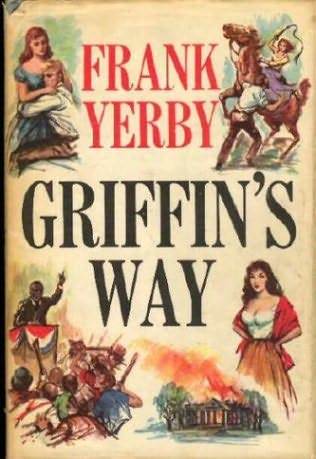
I have to admit, when I started reading Frank Yerby’s Griffin’s Way (1962) I was not impressed. Having written 33 novels over the course of his career, I knew I wouldn’t like all of them, but Griffin’s Way struck me, from the beginning, as odd. I didn’t really like the organization of Candace Trevor’s section. It seemed really disjointed and not at all what … Read More The Mythologized South in Frank Yerby’s “Griffin’s Way”

“The Plantation System in Southern Life” and Plantation Tourism

In his documentary, Lillian Smith: Breaking the Silence, Hal Jacobs uses numerous historical clips. One that stood out to me, though, was a clip, which he showed three sections of, from a ten minute Coronet film entitled “The Plantation System in Southern Life” from 1950. The film presents the South as an idyllic destination, one full of nostalgia and agrarianism, a soothing balm against … Read More “The Plantation System in Southern Life” and Plantation Tourism

+

The Ethnogothic

Recently, I finally had the chance to read all of David Walker, Chuck Brown, and Sanford Green’s Bitter Root vol. 1. In “Deep Roots/Rich Soil: Race, Horror and the Ethnogothic” (a back matter essay to Bitter Root), John Ira Jennings lays out what him and Stanford Carpenter call the “EthnoGothic,” a term I want to look at some today in relation to Bitter Root … Read More The Ethnogothic

+

Absolution in “Truth: Red, White, and Black”

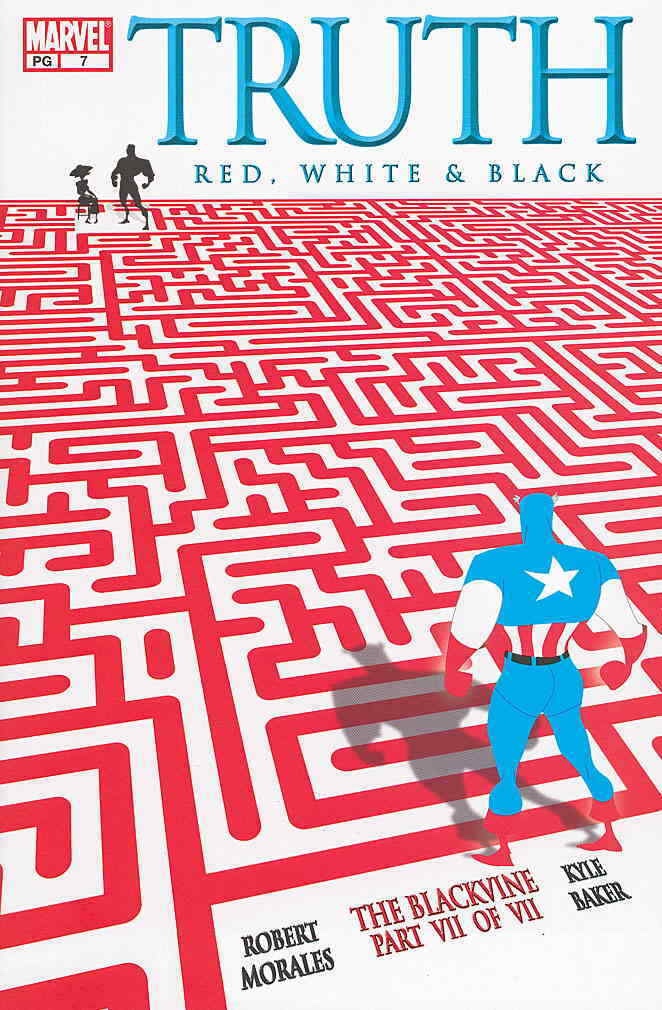
A few weeks ago, I taught Robert Morales and Kyle Baker’s Truth: Red, White, and Black. While I had read Truth before, and written about it some, teaching it opened up new ways for me to approach the text. In the blog post I wrote about Truth two years ago, I focused on the ways that Morales and Baker “give voice to those whose … Read More Absolution in “Truth: Red, White, and Black”

+

Current and Future Projects at the Lillian E. Smith Center

Over the past few weeks, I have been settling into my new position as the Director of the Lillian E. Smith Center (LES Center). During this process, I have started to read more of Smith’s work and learned more about her life and social justice work, specifically through the Laurel Falls Camp and during the Civil Rights movement. There is a lot I could … Read More Current and Future Projects at the Lillian E. Smith Center