Category: alice walker

+

Banned Books Week: Alice Walker’s “The Color Purple”

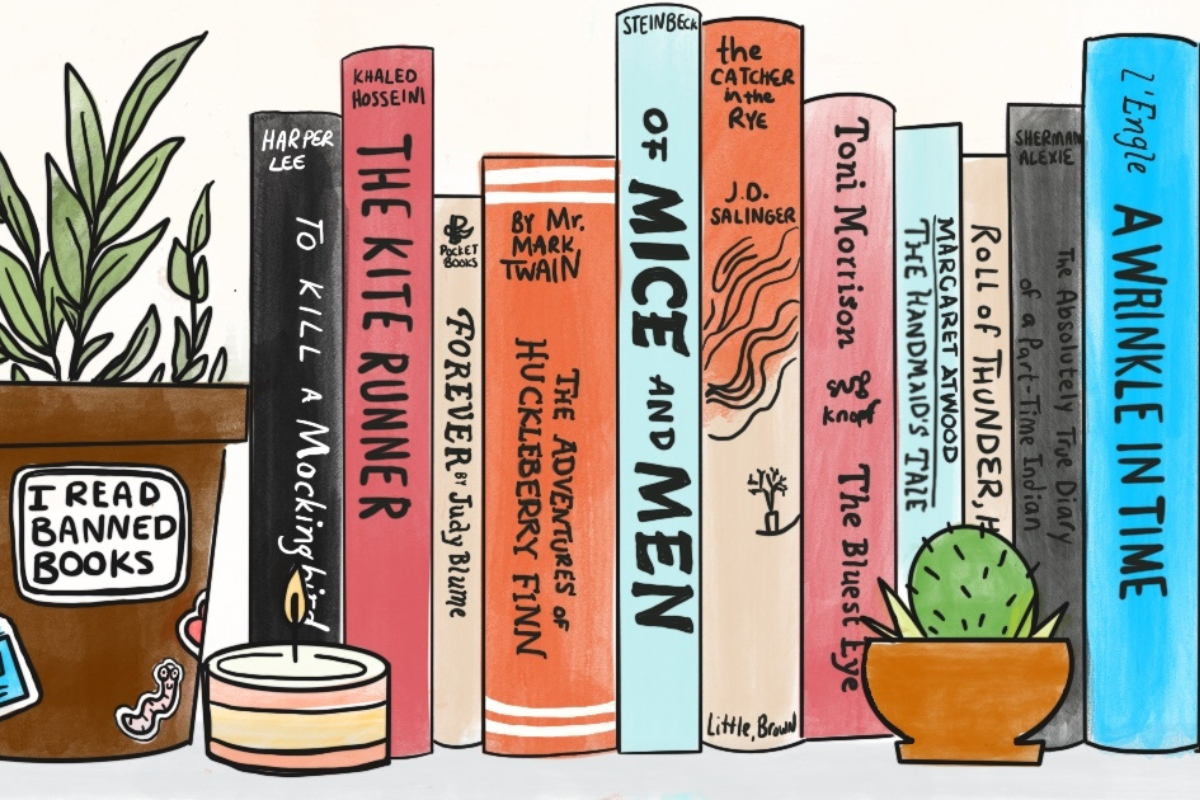
Alice Walker’s The Color Purple has been one of the most and banned challenged books since its debut in 1982. As The Banned Books Project points out, there have been “different reasons for the book being banned, including religious objections, homosexuality, violence, African history, rape, incest, drug abuse, explicit language, and sexual scenes.” The bans and challenges to The Color Purple, as we know, have nothing to do with … Read More Banned Books Week: Alice Walker’s “The Color Purple”

+

Writing Saves Lives

Next semester, I’m teaching Alice Walker’s The Color Purple alongside a couple of her essays, Toni Morrison’s The Bluest Eye, Ernest Gaines’ Of Love and Dust, and other works. Preparing for the class, I recently read Walker’s 1976 essay “Saving the Life That is Your Own: The Importance of Models in the Artist’s Life.” Walker wrote the essay in the mid-1970s, at a moment … Read More Writing Saves Lives

+

Banned Books Syllabus

Book bans and challenges are nothing new; however, over the past few years, with the rise of anti-LGBTQ legislation and “anti-woke” rhetoric that has led to various bills against the teaching of “divisive concepts,” these bans and challenges have increased dramatically. Of course, as PEN American points out, “Black and LGBTQ+ authors and books about race, racism, and LGBTQ identities have been disproportionately affected … Read More Banned Books Syllabus

+

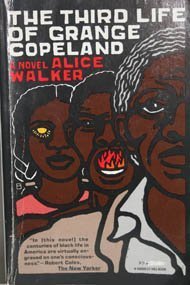
History and Education in Alice Walker’s “The Third Life of Grange Copeland”

Today, I’m going to finish the discussion I began last week on history and the ways that we construct meaning. In the last post, I looked at Ernest J. Gaines’ The Autobiography of Miss Jane Pittman (1971). For this post, I will focus on one more scene from Gaines’ novel then move on to look at a section from Alice Walker’s The Third Life … Read More History and Education in Alice Walker’s “The Third Life of Grange Copeland”

+

“Miss Jane is not in them”: Voices in Historical Narratives

Over the past couple of posts, I have written about the role of history and literature in countering prevailing myths about the past and the present. Today, I want to continue that discussion by looking at a couple of scene from Ernest J. Gaines’ The Autobiography of Miss Jane Pittman (1971). On Thursday, I will finish this series by looking at a section from … Read More “Miss Jane is not in them”: Voices in Historical Narratives