Year: 2019

Musical Interlude

Back in high school, I started writing and playing music, specifically because I heard Nirvana’s In Utero and wanted to learn how to play guitar. I got a cheap Peavy with a starter amp and taught myself to play. I dabbled playing in bands in high school, mainly with friends. However, once I made it to college, I joined a band and started playing … Read More Musical Interlude
+

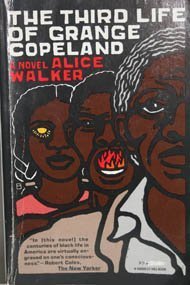
History and Education in Alice Walker’s “The Third Life of Grange Copeland”

Today, I’m going to finish the discussion I began last week on history and the ways that we construct meaning. In the last post, I looked at Ernest J. Gaines’ The Autobiography of Miss Jane Pittman (1971). For this post, I will focus on one more scene from Gaines’ novel then move on to look at a section from Alice Walker’s The Third Life … Read More History and Education in Alice Walker’s “The Third Life of Grange Copeland”

+

“Miss Jane is not in them”: Voices in Historical Narratives

Over the past couple of posts, I have written about the role of history and literature in countering prevailing myths about the past and the present. Today, I want to continue that discussion by looking at a couple of scene from Ernest J. Gaines’ The Autobiography of Miss Jane Pittman (1971). On Thursday, I will finish this series by looking at a section from … Read More “Miss Jane is not in them”: Voices in Historical Narratives

+

Confronting Selective Memory in Jérémie Dres’ “We Won’t See Auschwitz”

As a literature scholar, I see the links between the past, present, and future as inextricably linked together. Jérémie Dres‘ autobiographical graphic novelWe Won’t See Auschwitz (2011) highlights these linkages in a concrete manner as it chronicles Jérémie and his brother Martin’s trip to Poland to trace their family’s roots before the Holocaust. As the title suggests, the brothers do not go to Auschwitz. … Read More Confronting Selective Memory in Jérémie Dres’ “We Won’t See Auschwitz”

+

Why does history matter?

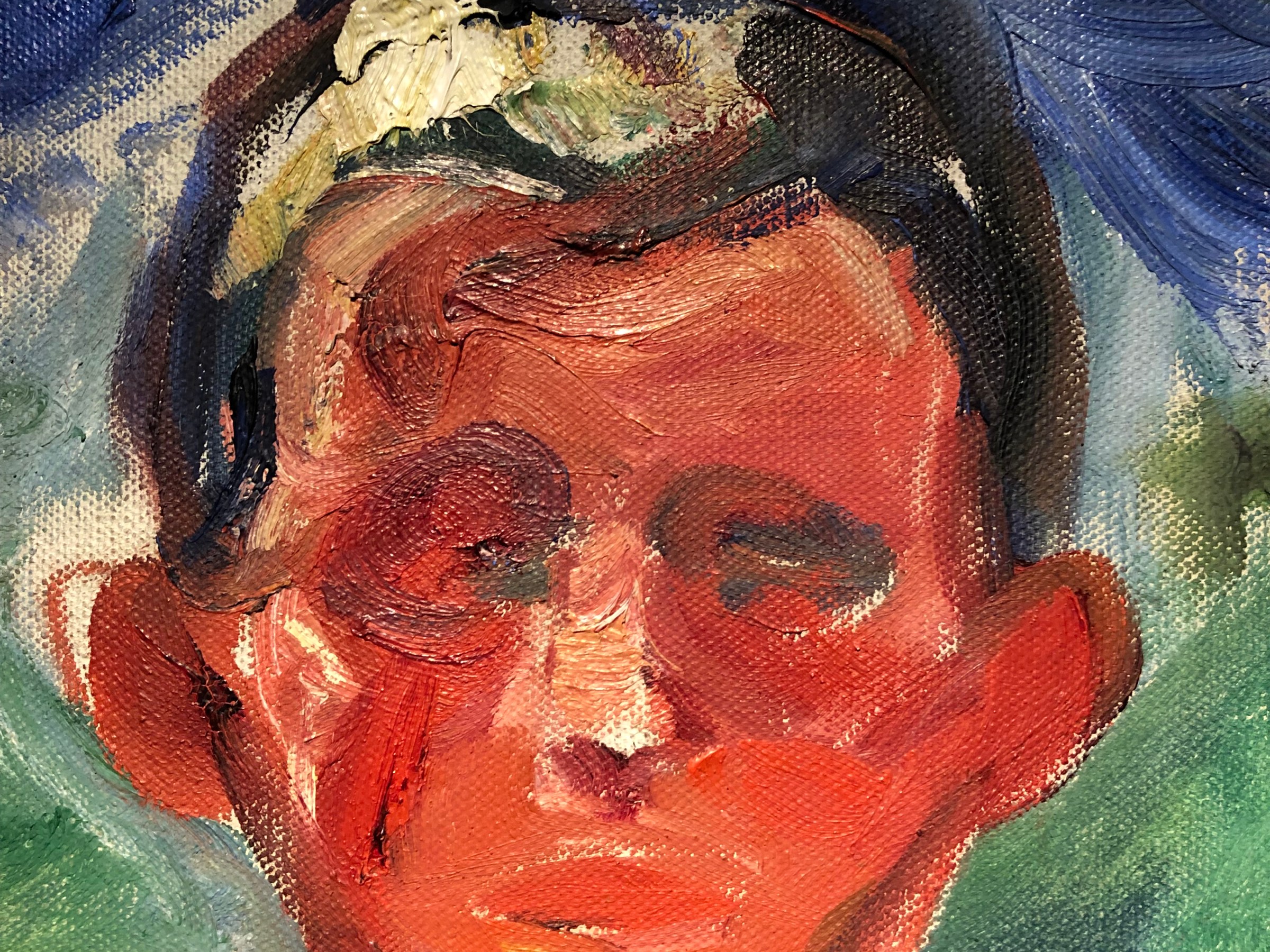
Visiting one of the museums here in Bergen, I walked through the rooms of Edvard Munch’s work, stopping in front of Ungdom (Youth). Ungdom is a large portrait of a boy with a multicolored background behind him that looks, in many ways, like waves. As I started at the portrait, I walked closer and peered at the background near the boy’s right arm and … Read More Why does history matter?