Category: comics

+

Emotions in the Gutter: Part II

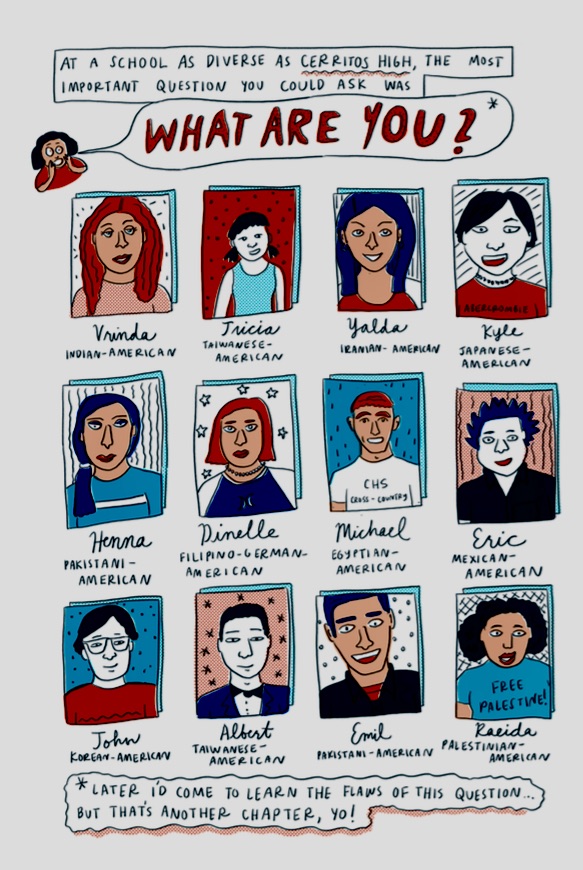
Last post, I started discussing the separation of illustrations into multiple panels in works such as March and They Called Us Enemy. Today, I want to continue that discussion by looking at some more examples in Takei’s graphic memoir and the ways that Harmony Becker separates larger images into multiple panels to highlight multiple thematic aspects of the narrative, notably the generational trauma that … Read More Emotions in the Gutter: Part II

+

The Emotions in the Gutter

Recently, a colleague asked me to participate in a reading with him. He read selection from his latest poetry collection, and during the Q&A following our readings, he spoke about the ways that he constructed some of the poems he read. During his response, he began to speak about a poem he didn’t read, “Nocturne,” a poem which deals with death, intimacy, and loss. … Read More The Emotions in the Gutter

+

Reflections in Al Feldstein and Wallace Wood’s “The Guilty!”

It’s been a few years since I’ve read Al Feldstien and Wallace Wood’s “The Guilty!” in EC Comics’ Shock SuspenStories #3 from 1952. I reread the story in preparation for an upcoming class, and as I reread it, I thought, again, about the positioning of the reader throughout “The Guilty!” Today, I want to look at this story again, expanding some on what I … Read More Reflections in Al Feldstein and Wallace Wood’s “The Guilty!”

+

Positioning in Al Feldstein and George Russos’ “The Slave Ship”

Getting ready to speak with some art educators this summer, I collected some EC Comics stories for us to discuss. One of those stories was Al Feldstein’s “The Slave Ship” from Weird Fantasy #8 (1951). George Russos illustrated the published version, but some Bernard Krigstein also illustrated the story. (I do not know exact dates, but you can find Krigstein’s work here, just search … Read More Positioning in Al Feldstein and George Russos’ “The Slave Ship”

+

Johnnie-Ray Knox and The Hope in the Future

In the last post, I wrote about the mother and son in P. Djèlí Clark’s Ring Shout who finally see the monstrous effects of racism on an individual at the end of the novel. I taught Clark’s Ring Shout in my Multiethnic American Literature course a few weeks ago, and we followed up Clark’s novella with David Walker, Chuck Brown, and Sanford Greene’s Bitter … Read More Johnnie-Ray Knox and The Hope in the Future