Category: southern literature

+

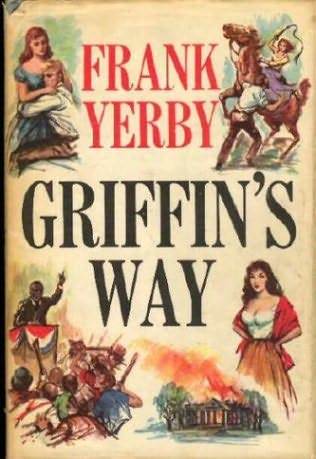
The “Visceral Feelings” of Racism in Frank Yerby’s “Griffin’s Way”

Throughout his career, Frank Yerby confronted whiteness and white supremacy in his novels. He looked at the ways that racism, xenophobia, nationalism, and oppression affected the oppressor as well as the oppressed. This is what Lillian Smith does throughout her work. It’s what Harper Lee attempts to do in To Kill a Mockingbird. It’s what Toni Morrison says we should do in Playing in … Read More The “Visceral Feelings” of Racism in Frank Yerby’s “Griffin’s Way”

“The Plantation System in Southern Life” and Plantation Tourism

In his documentary, Lillian Smith: Breaking the Silence, Hal Jacobs uses numerous historical clips. One that stood out to me, though, was a clip, which he showed three sections of, from a ten minute Coronet film entitled “The Plantation System in Southern Life” from 1950. The film presents the South as an idyllic destination, one full of nostalgia and agrarianism, a soothing balm against … Read More “The Plantation System in Southern Life” and Plantation Tourism

+

Current and Future Projects at the Lillian E. Smith Center

Over the past few weeks, I have been settling into my new position as the Director of the Lillian E. Smith Center (LES Center). During this process, I have started to read more of Smith’s work and learned more about her life and social justice work, specifically through the Laurel Falls Camp and during the Civil Rights movement. There is a lot I could … Read More Current and Future Projects at the Lillian E. Smith Center

+

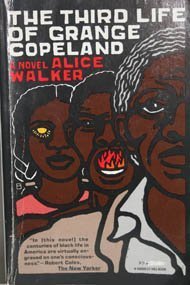
History and Education in Alice Walker’s “The Third Life of Grange Copeland”

Today, I’m going to finish the discussion I began last week on history and the ways that we construct meaning. In the last post, I looked at Ernest J. Gaines’ The Autobiography of Miss Jane Pittman (1971). For this post, I will focus on one more scene from Gaines’ novel then move on to look at a section from Alice Walker’s The Third Life … Read More History and Education in Alice Walker’s “The Third Life of Grange Copeland”

+

“Miss Jane is not in them”: Voices in Historical Narratives

Over the past couple of posts, I have written about the role of history and literature in countering prevailing myths about the past and the present. Today, I want to continue that discussion by looking at a couple of scene from Ernest J. Gaines’ The Autobiography of Miss Jane Pittman (1971). On Thursday, I will finish this series by looking at a section from … Read More “Miss Jane is not in them”: Voices in Historical Narratives