Category: southern literature

+

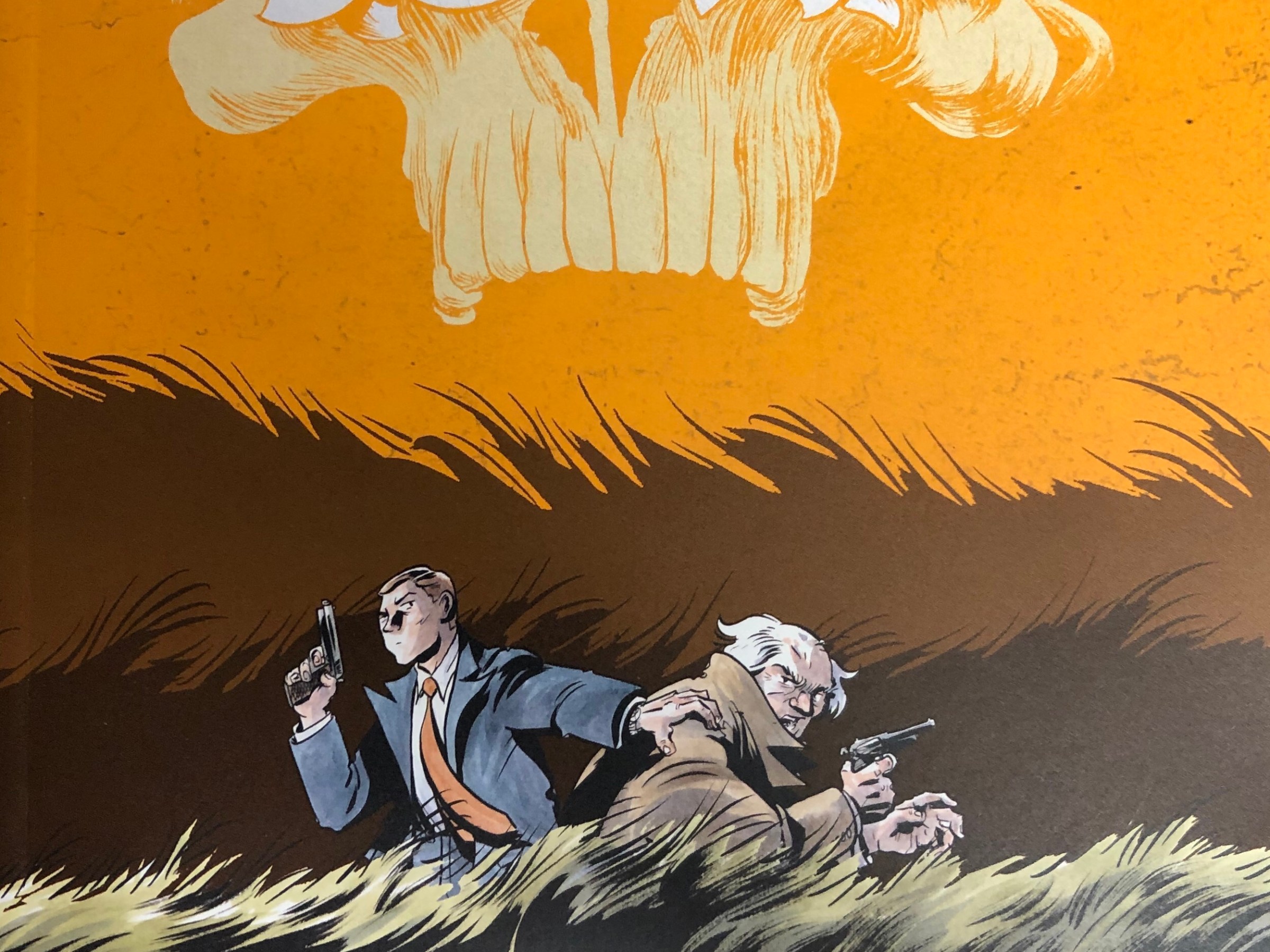
The Official Record in Van Jensen and Nate Powell’s “Two Dead”

The back matter of Van Jensen and Nate Powell’s new book, Two Dead, describes it as, “at once a white-knuckled and unputdownable thriller, a roman à clef inspired by true events, and a book about post-traumatic stress disorder and the underlying social traumas of how war and segregation affect their survivors on all fronts.” Today, I want to look at a brief section from … Read More The Official Record in Van Jensen and Nate Powell’s “Two Dead”

+

The “historical self” and the “self self”: Part I

Last post, I wrote about the ways that racism, subjugation, and history imprisons everyone, the oppressed and the oppressor alike. Today, I want to continue that discussion by looking at Lillian Smith’s Killers of the Dream and connected her discussion with a couple of the vignettes in Claudia Rankine’s Citizen: An American Lyric. While Smith focuses, predominately, on the white psyche, Rankine focuses on … Read More The “historical self” and the “self self”: Part I

Ridding Ourselves of the Giants and Pygmies of the Past

On December 5, 1956, the Montgomery Improvement Association hosted the Institute on Non-Violence and Social Change commemorating the one year anniversary of the Montgomery bus boycott. They asked Lillian Smith to speak; however, she could not attend due to ill health. Rufus Lewis read Lillian’s speech, “The Right Way is Not a Moderate Way,” to the audience. Virginia Durr, who was in the crowd, … Read More Ridding Ourselves of the Giants and Pygmies of the Past

Art and Creation

In “Going Empty,” Dessa writes about filming the music video for her song “Sound the Bells.” She talks about learning to control her breathing to dive underwater amidst Jason deCaires Taylor’s submerged sculptures off the coast of Mexico. She ruminates about her career, writing about the fears that time is rapidly running out on commercial success. She thinks, Yet all my life I’ve been … Read More Art and Creation

+

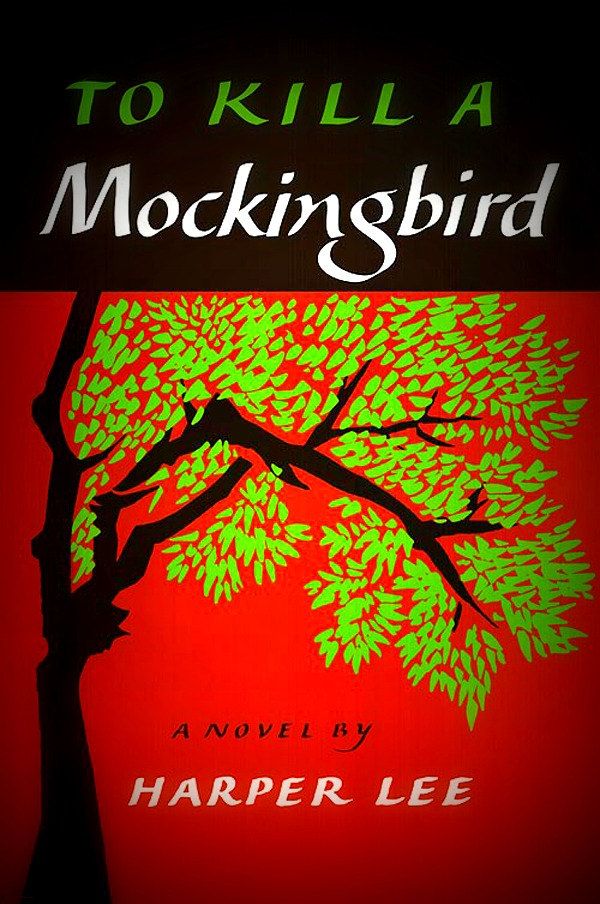
American History and Harper Lee’s “To Kill a Mockingbird”

Last post, I wrote about the Southern paradoxes in Harper Lee’s To Kill A Mockingbird. Today, I want to look at the opening of the novel because Scout traces the events of the novel deep into our nation’s history, before Jem, Scout, or Atticus arrived on the scene. This is important because for all of the missed moments of reflection in the novel, the … Read More American History and Harper Lee’s “To Kill a Mockingbird”