Category: world war ii

+

What I Learned Acting in “Number the Stars”

Recently, my daughter auditioned for a play at the local community theater. She has been dancing for years, but she has never acted on stage before. For the past few years, she has had the desire to act, and when the auditions came around for the theatrical adaptation of Lois Lowry’s Number the Stars, she tried out for the lead role of Annemarie Johansen. … Read More What I Learned Acting in “Number the Stars”
+

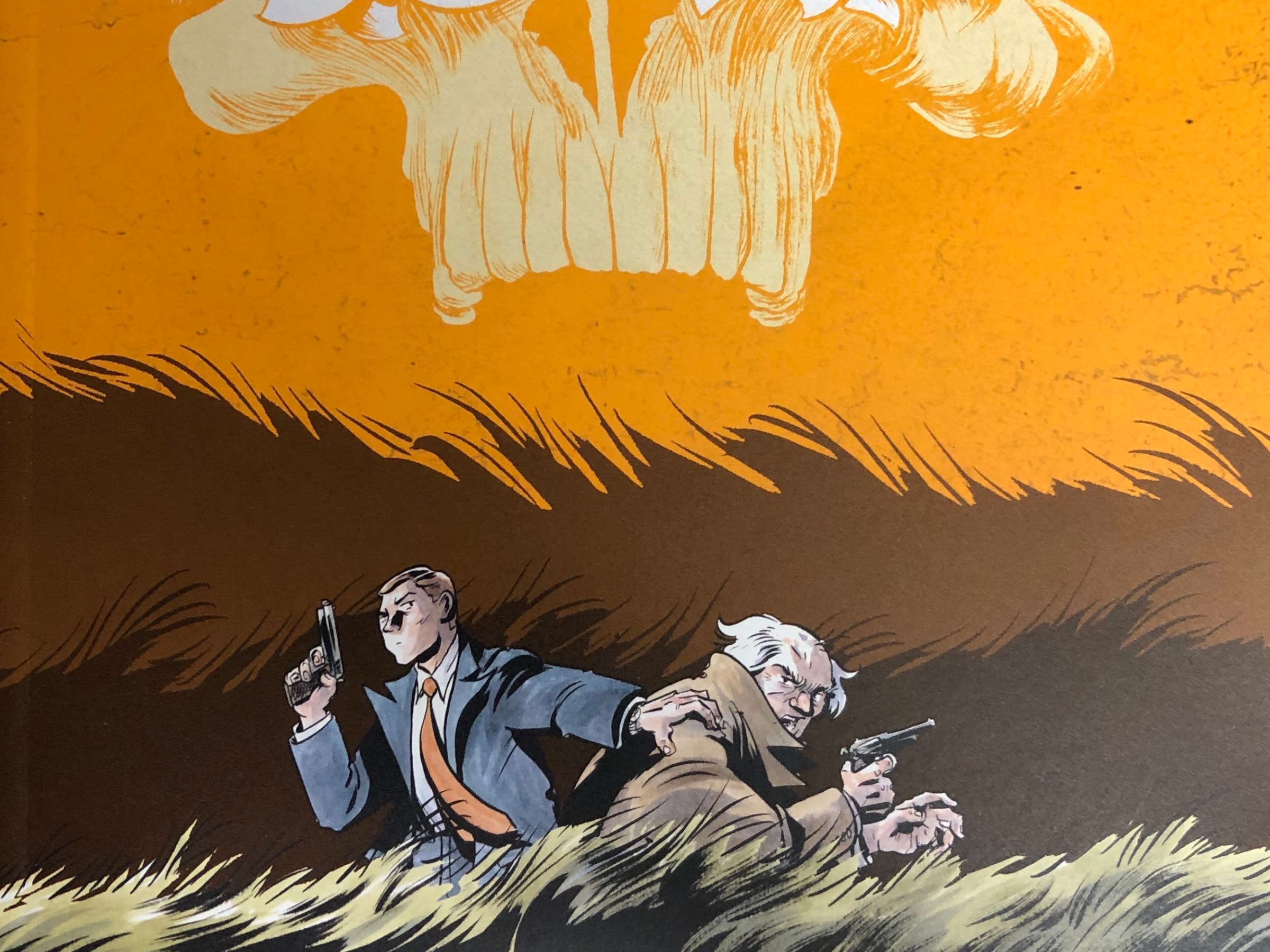
The Official Record in Van Jensen and Nate Powell’s “Two Dead”

The back matter of Van Jensen and Nate Powell’s new book, Two Dead, describes it as, “at once a white-knuckled and unputdownable thriller, a roman à clef inspired by true events, and a book about post-traumatic stress disorder and the underlying social traumas of how war and segregation affect their survivors on all fronts.” Today, I want to look at a brief section from … Read More The Official Record in Van Jensen and Nate Powell’s “Two Dead”

+

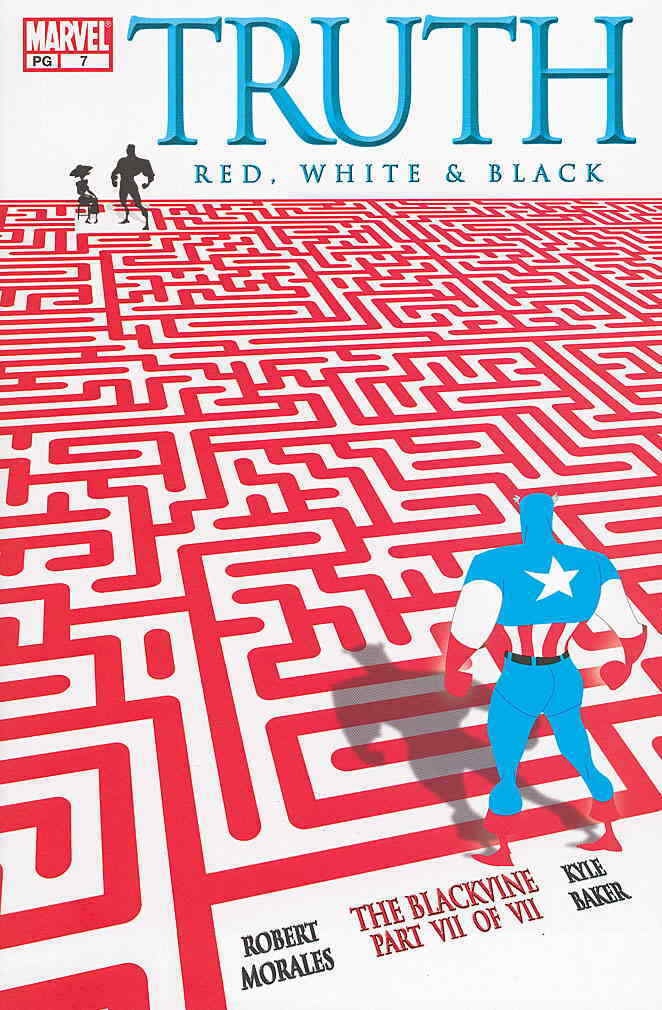
Absolution in “Truth: Red, White, and Black”

A few weeks ago, I taught Robert Morales and Kyle Baker’s Truth: Red, White, and Black. While I had read Truth before, and written about it some, teaching it opened up new ways for me to approach the text. In the blog post I wrote about Truth two years ago, I focused on the ways that Morales and Baker “give voice to those whose … Read More Absolution in “Truth: Red, White, and Black”

+

Patriotism and Surveillance in Frank Yerby’s “Salute to the Flag”

As a student at Paine College in the mid-1930s, Frank Yerby published “Salute to the Flag” in the November 1936 issue of the school’s newspaper The Paineite. Eight years later, Yerby won the O’Henry prize for his short story “Health Card,” a story that focuses on a Black serviceman and his wife during World War II. I mention this story because “Salute to the … Read More Patriotism and Surveillance in Frank Yerby’s “Salute to the Flag”

+

Frank Yerby’s “Health Card” and Gender

Before he started writing “costume novels,” Frank Yerby penned protest literature in the form of short stories and poems. The stories are in the vein of Richard Wright and other African American writers of the period. After failing to get his first novel length manuscript published, a protest novel, Yerby turned to what he called “costume novels,” historical narratives that subvert the plantation tradition. … Read More Frank Yerby’s “Health Card” and Gender