Tag: history

+

Reflections on Lil

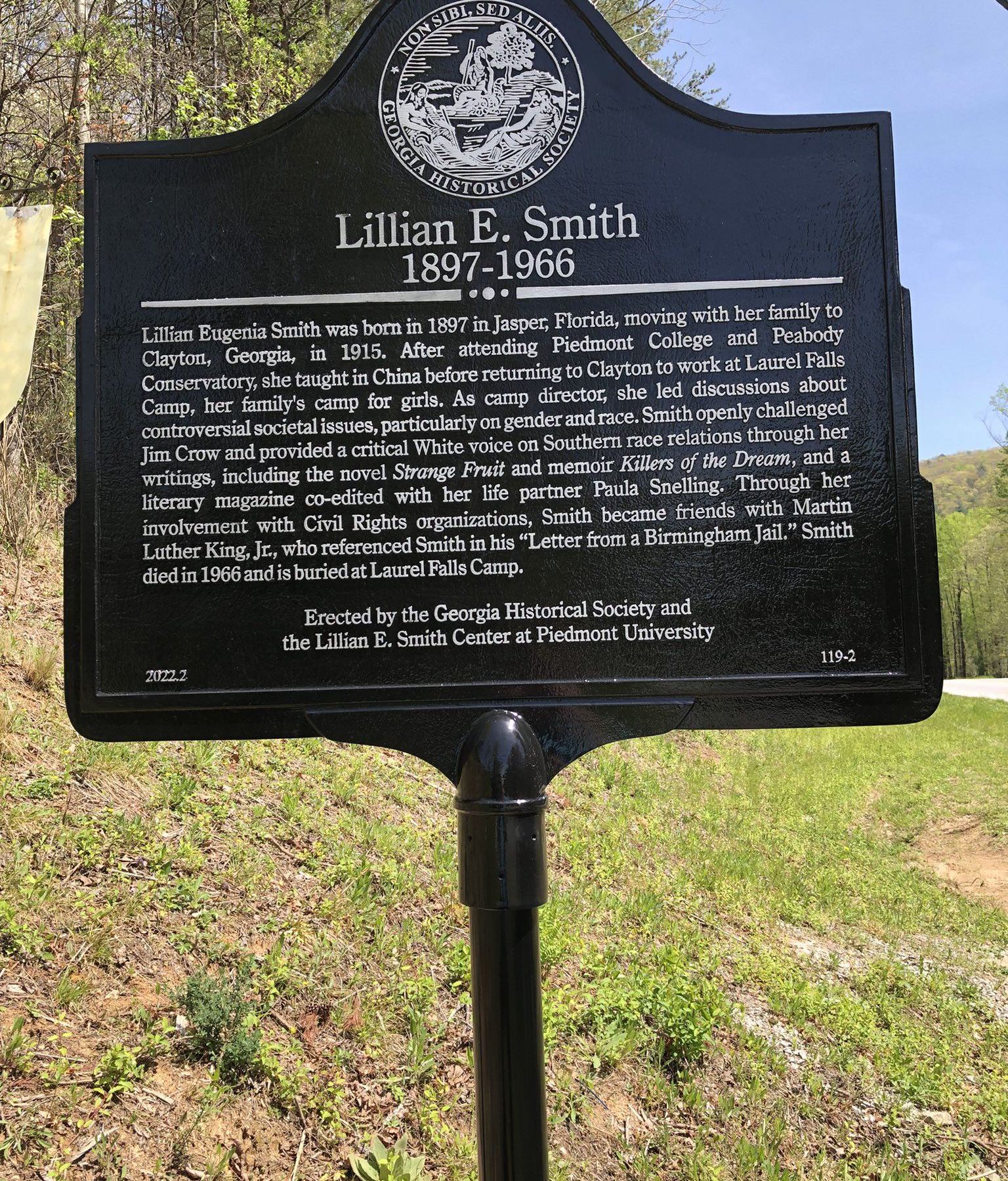
As the date approached to unveil the historical marker honoring the life, work, and legacy of Lillian E. Smith I kept stressing over how many people would attend the event. I didn’t think, at any point, about how I’d actually feel during the ceremony itself. However, when the ceremony began on that cloudless spring day, with the birds singing in the trees and the … Read More Reflections on Lil

+

Keri Leigh Merritt “History Marker Honoring Lillian Smith”

Yesterday, the Lillian E. Smith Center unveiled a historical marker honoring Smith’s life. work, and legacy. I am still process this event and its impact because as the program commenced and went on, I found myself becoming overwhelmed with emotions, and I am still, right now, processing those thoughts. I plan to write about the ceremony in an upcoming post. Today, though, I want … Read More Keri Leigh Merritt “History Marker Honoring Lillian Smith”

Conversation with Tim Smyth about “March”

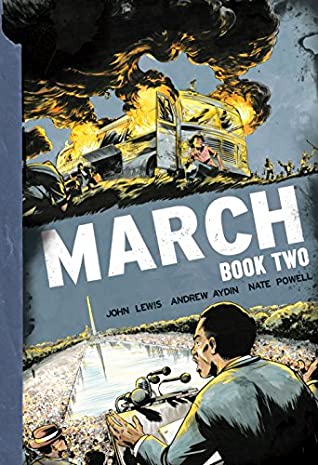
Over the course of this semester, I’ve posted conversations I’ve had with authors such as Kiku Hughes and Lila Quintero Weaver, along with scholars such as Michael Dando, Jennifer Morrison, and Eir-Anne Edgar for my Multicultural American Literature course. Today, I want to share the discussion I had with educator Tim Smyth about John Lewis, Andrew Aydin, and Nate Powell’s March: Book Two. Tim … Read More Conversation with Tim Smyth about “March”

+

Professional Development Opportunity โ€œThe Civil Rights Movement in Northeast Georgiaโ€

When I worked at the Ernest J. Gaines Center at the University of Louisiana at Lafayette, one of the programs that I wanted to implement was an annual professional development opportunity for area educators, providing them a space to learn about Gainesโ€™ work and the history and people that informed it, looking at how all of it shaped the community and region in which we lived … Read More Professional Development Opportunity โ€œThe Civil Rights Movement in Northeast Georgiaโ€

+

The Quotidian in Art Spiegelman’s “Maus”: Part II

In the previous post, I started looking at Art Spiegelman’s Maus and the ways that he focuses on individuals, not on the high ranking officials, who both perpetrated and survived the Holocaust. Along with this, Spiegelman highlights the ways that memory, especially as it relates to a traumatic event such as the Holocaust, is slippery in so many ways. I always think about George … Read More The Quotidian in Art Spiegelman’s “Maus”: Part II