Category: early american literature

+

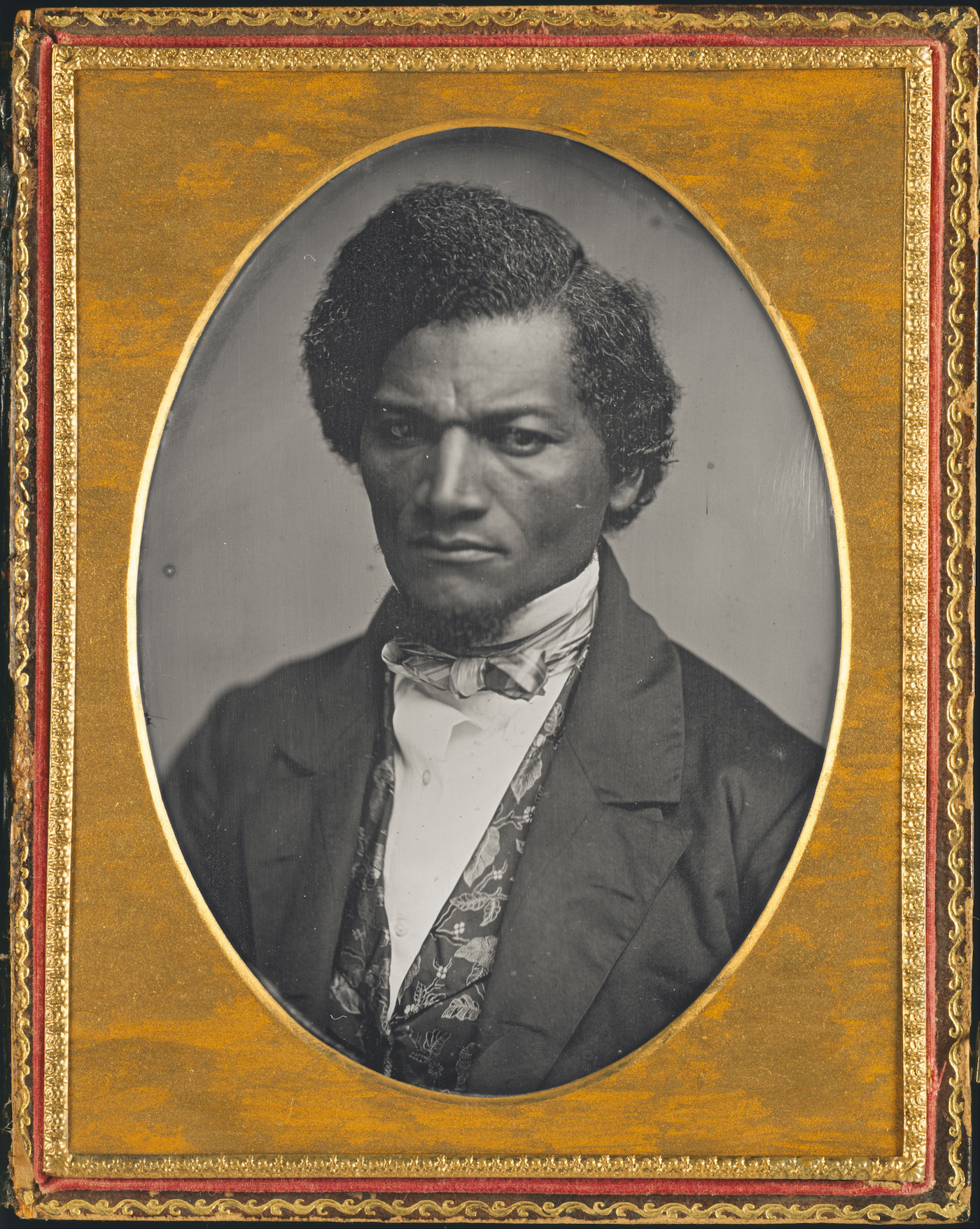
Frederick Douglass’ Rhetorical Rebuttals of Stereotypes

Over the past couple of semesters, I have taught Frederick Douglass’ What to the Slave is the Fourth of July? instead of teaching his narrative. I do this for a couple of reasons. One, I assign Solomon Northup’s Twelve Years a Slave, and during discussions about Northup, I bring in Douglass’ narrative and Harriett Jacobs’ Incidents in the Life of a Slave Girl because … Read More Frederick Douglass’ Rhetorical Rebuttals of Stereotypes

+

Is Work/Life Balance Achievable in Academia?

For the first few weeks, I would walk into my eight o’clock class to bright faces and smiles from the students seated within the rows. About a month into the semester, and coincidentally around the same time that they had to turn in their first essay, the smiling faces turned to tired and haggled sleep-deprived visages that stared blankly back at me as I … Read More Is Work/Life Balance Achievable in Academia?

+

“Rosa” and The Formation of an American Literature

At first, teaching Rosa, or American Genius and Education (1810) in an early American literature survey course seemed somewhat daunting. I frame my courses around conversations, typically beginning with David Walker and Thomas Jefferson then moving around through time and region back and forth from the colonial to the early nineteenth century. I do this to show students that even though these texts appear … Read More “Rosa” and The Formation of an American Literature

Soundtrack Assignment in the Literature Classroom

Every semester I try something new in the classroom. Sometimes this may involve adding activities such as the fish bowl, working in the archives, or having students write on the board to generate ideas. I take these ideas and tweak them as I go along because, as we know, every class is not the same. What works in one class may not necessarily work … Read More Soundtrack Assignment in the Literature Classroom

+

Refuting Europe in “Rosa, or American Genius and Education”

Over the past few class sessions, we have looked at Rosa, or American Genius and Education (1810). Published anonymously, the satirical novel presents an interesting examination and discussion for my early American literature survey course. There is a lot that can be looked at in regards to this novel; however, today, I want to focus specifically on the Peruvian Sol who enters the narrative mid-way through … Read More Refuting Europe in “Rosa, or American Genius and Education”