Category: Literature

+

“Rosa” and The Formation of an American Literature

At first, teaching Rosa, or American Genius and Education (1810) in an early American literature survey course seemed somewhat daunting. I frame my courses around conversations, typically beginning with David Walker and Thomas Jefferson then moving around through time and region back and forth from the colonial to the early nineteenth century. I do this to show students that even though these texts appear … Read More “Rosa” and The Formation of an American Literature
+

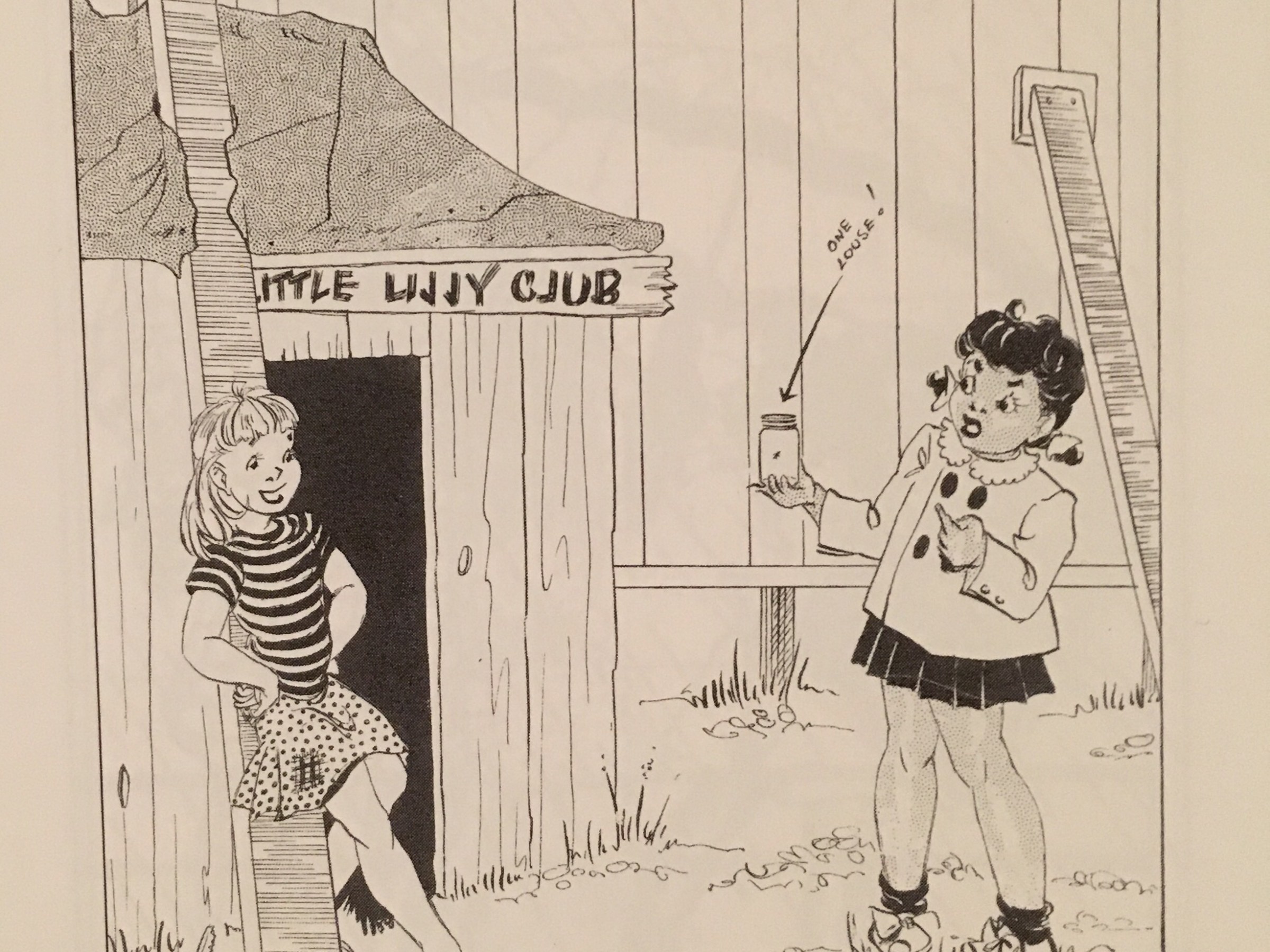
Jackie Ormes, the FBI, and “Patty-Jo ‘n’ Ginger”

A few months ago, I wrote about Jackie Ormes’ Patty-Jo ‘n’ Ginger single panel gags that appeared in the Pittsburgh Courier. In preparation for a talk I am giving on comics and race, I started looking back at some of these panels and read Nancy Goldstein’s and Deborah Whaley’s discussions of Ormes and her various comic strips and panels. Today, I want to take … Read More Jackie Ormes, the FBI, and “Patty-Jo ‘n’ Ginger”

+

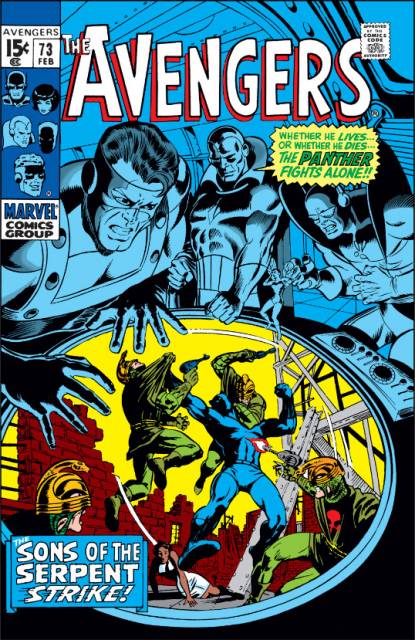
“Why haven’t you let anyone know?”: Monica Lynne First Appearance

Typically, when we talk about origin stories in comics, we focus on superheroes. Rarely do we focus on supporting or secondary characters. David Taft Terry writes about the introduction of Bill Foster and his role working with Hank Pym; however, that is the only real discussion, so far, I have seen on supporting characters. After reading Sam Wilson’s (Falcon) origin story, I decided to … Read More “Why haven’t you let anyone know?”: Monica Lynne First Appearance

+

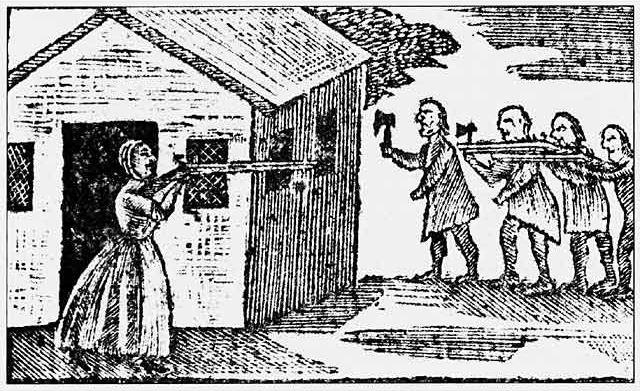
Mary Rowlandson and Louise Erdrich’s “Captivity”

I always enjoy teaching Mary Rowlandson’s Narrative for a myriad of reasons. It presents students with an early example of that distinctly American genre the captivity narrative, it highlights the role of women in colonial America, it illuminates the colonists’ feelings towards Native Americans, and it serves as a text that showcases Puritan thought during the late 1600s. Today, I want to take the … Read More Mary Rowlandson and Louise Erdrich’s “Captivity”

+

Racial Signification in Frank Yerby’s “The Foxes of Harrow”

In “Reconstructions of Racial Perception: Margaret Mitchell’s and Frank Yerby’s Plantation Romances,” Mark C. Jerng argues that Frank Yerby’s The Foxes of Harrow “engages with the specific techniques of deploying racial signification in [Gone With the Wind], in particular by when race appears in the background and when it is foregrounded.” Jerng looks at the ways that Yerby challenges and reverses the racial associations … Read More Racial Signification in Frank Yerby’s “The Foxes of Harrow”