Tag: nate powell

+

History, Comics, and the Civil Rights Movement

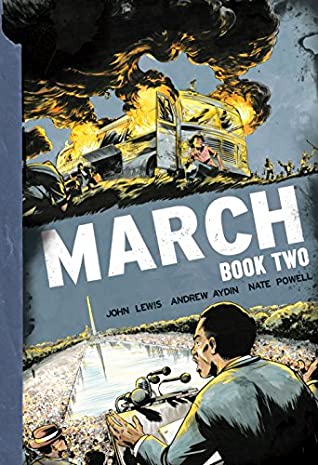
This semester, I am teaching two Civil Rights era memoirs: Lila Quintero Weaver’s Darkroom: A Memoir in Black and White and John Lewis, Andrew Aydin, and Nate Powell’s March Trilogy. I thoroughly enjoy these texts, and I enjoy teaching them. However, as I reread them, I keep thinking about what the texts don’t cover. I understand that each of these works are focused on … Read More History, Comics, and the Civil Rights Movement
Conversation with Tim Smyth about “March”

Over the course of this semester, I’ve posted conversations I’ve had with authors such as Kiku Hughes and Lila Quintero Weaver, along with scholars such as Michael Dando, Jennifer Morrison, and Eir-Anne Edgar for my Multicultural American Literature course. Today, I want to share the discussion I had with educator Tim Smyth about John Lewis, Andrew Aydin, and Nate Powell’s March: Book Two. Tim … Read More Conversation with Tim Smyth about “March”

+

The Emotions in the Gutter

Recently, a colleague asked me to participate in a reading with him. He read selection from his latest poetry collection, and during the Q&A following our readings, he spoke about the ways that he constructed some of the poems he read. During his response, he began to speak about a poem he didn’t read, “Nocturne,” a poem which deals with death, intimacy, and loss. … Read More The Emotions in the Gutter

+

Detecting Bullshit in Nate Powell’s “Save It For Later”

While so many aspects of Nate Powell’s Save It For Later stand out and make me stop to think, the one theme that resonates with me the most has to be the ways that our children view the world. “Their bullshit dectors,” as Powell puts in near the end of “Wingnut,” “are much better than ours.” This assertion is what drives me, partly, when … Read More Detecting Bullshit in Nate Powell’s “Save It For Later”

+

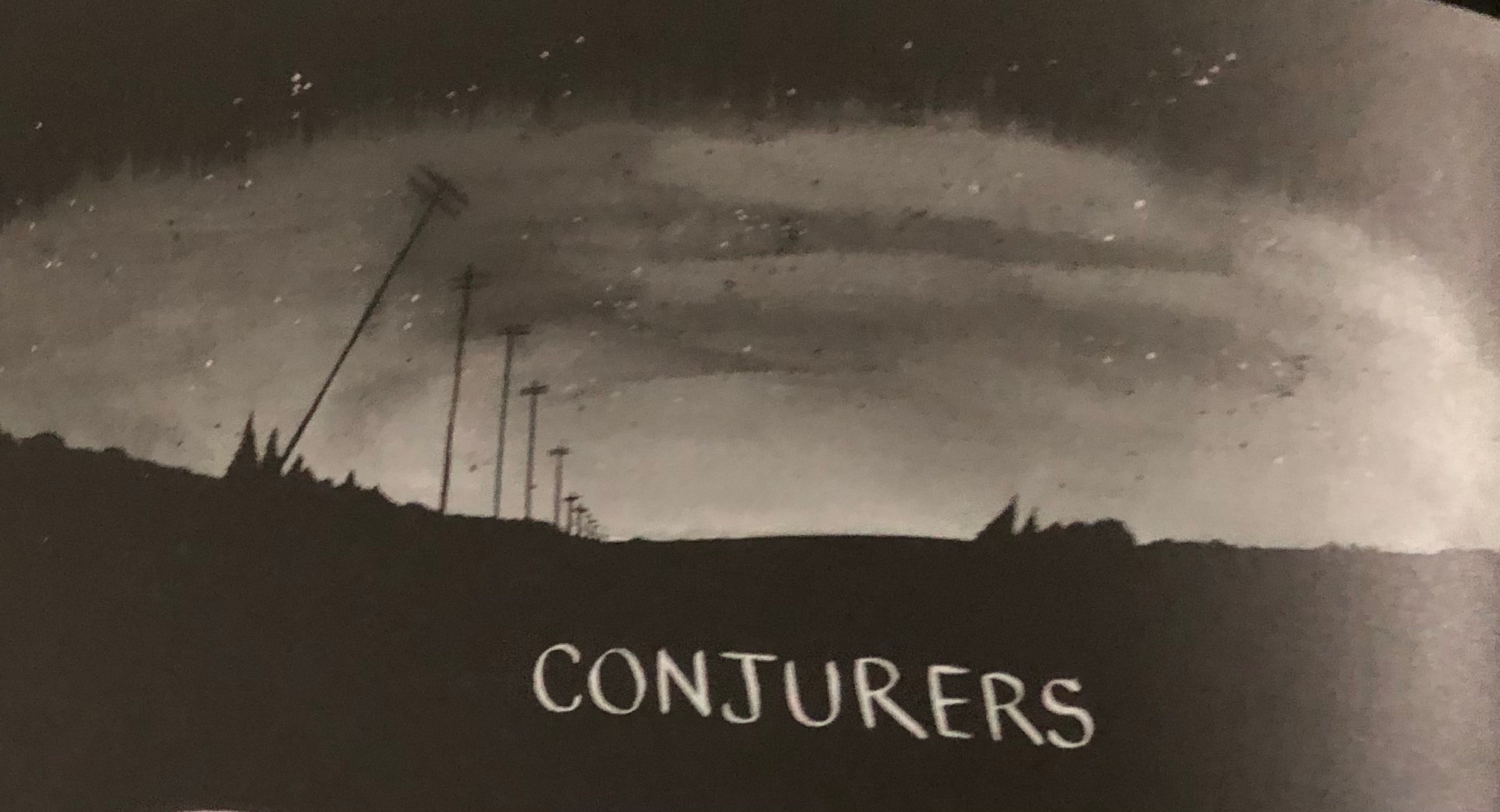
The Past, Present, and Future in Nate Powell’s “Conjurers”

Last post, I started discussing Nate Powell’s “Conjurers” and the ways that comics provide a unique medium for bringing the past, present, and future together in a singular manner. Today, I want to finish that discussion by looking at the latter half of “Conjurers.” I’ve written about that the ways that comics flattens time, specifically in connecting the past and the present. Powell does … Read More The Past, Present, and Future in Nate Powell’s “Conjurers”