
Category: lillian e smith

+

LES Center Videos: III

In early December, I shared two posts with some of the weekly videos that I have been creating for the LES Center. Since then, I have created more videos, and I wanted to take a moment to share some of them with you today. These videos focus on talks she had with campers at Laurel Falls about racism, the ways that Smith connected her … Read More LES Center Videos: III
+

Adjectives Are the Enemies of Nouns

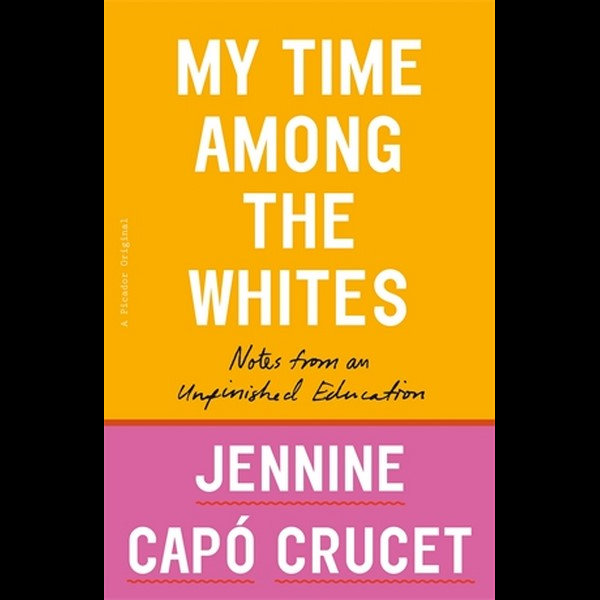
This semester in the LES Studies Course, we just finished Jennine Capó Crucet’s My Time Among the Whites: Notes from an Unfinished Education. Crucet’s essays, in relation to what we have read from Lillian Smith and Ibram X. Kendi provide countless points for discussion, and I today I want to focus on one of those points: the ways that labels define others and construct … Read More Adjectives Are the Enemies of Nouns

+

Dissecting Pages from Lillian Smith Graphic Memoir

Last week, I shared the graphic memoir that I created alongside my students this semester. I detailed, in that post and the post where I described the project, my thought process for the narrative and what parts of Lillian Smith’s story I wanted to tell. As well, I walked through a three page sequence where I focused on Smith’s work as the director of … Read More Dissecting Pages from Lillian Smith Graphic Memoir

+

Graphic Memoir Project

This semester in my Literature and Composition Graphic Memoirs class I am having students do a creative final project. For this project, they will either create their own graphic memoir or do a “Call and Response” piece for Looking at Appalachia. Since this is a new assignment, I am making my own graphic memoir alongside my students, trying my hand at creating a text. … Read More Graphic Memoir Project

+

What keeps us from acting?

Lillian Smith wrote Now is the Time (1955) in reaction to the Supreme Court’s decision in Brown v. Board of Education. Smith saw the decision as every child’s Magna Carta, and in Now is the Time, she laid out that in order to move forward, we must act. The book, in essence, as Rose Gladney and Lisa Hodgens put it, “crystallized approximately two decades … Read More What keeps us from acting?