Category: history

+

Kristen Radtke’s “Imagine Wanting Only This” and Reality

Last post, I wrote about memory in Kristen Radtke’s Imagine Wanting Only This. Today, I want to continue that discussion by looking at a few more pages in Radtke’s book. Specifically, I want to look at the ways we remember the past, what gets privileged and what gets forgotten. These moments point to one of the themes of Radtke’s book, the ephemeral and fleeting … Read More Kristen Radtke’s “Imagine Wanting Only This” and Reality
+

Why does history matter?

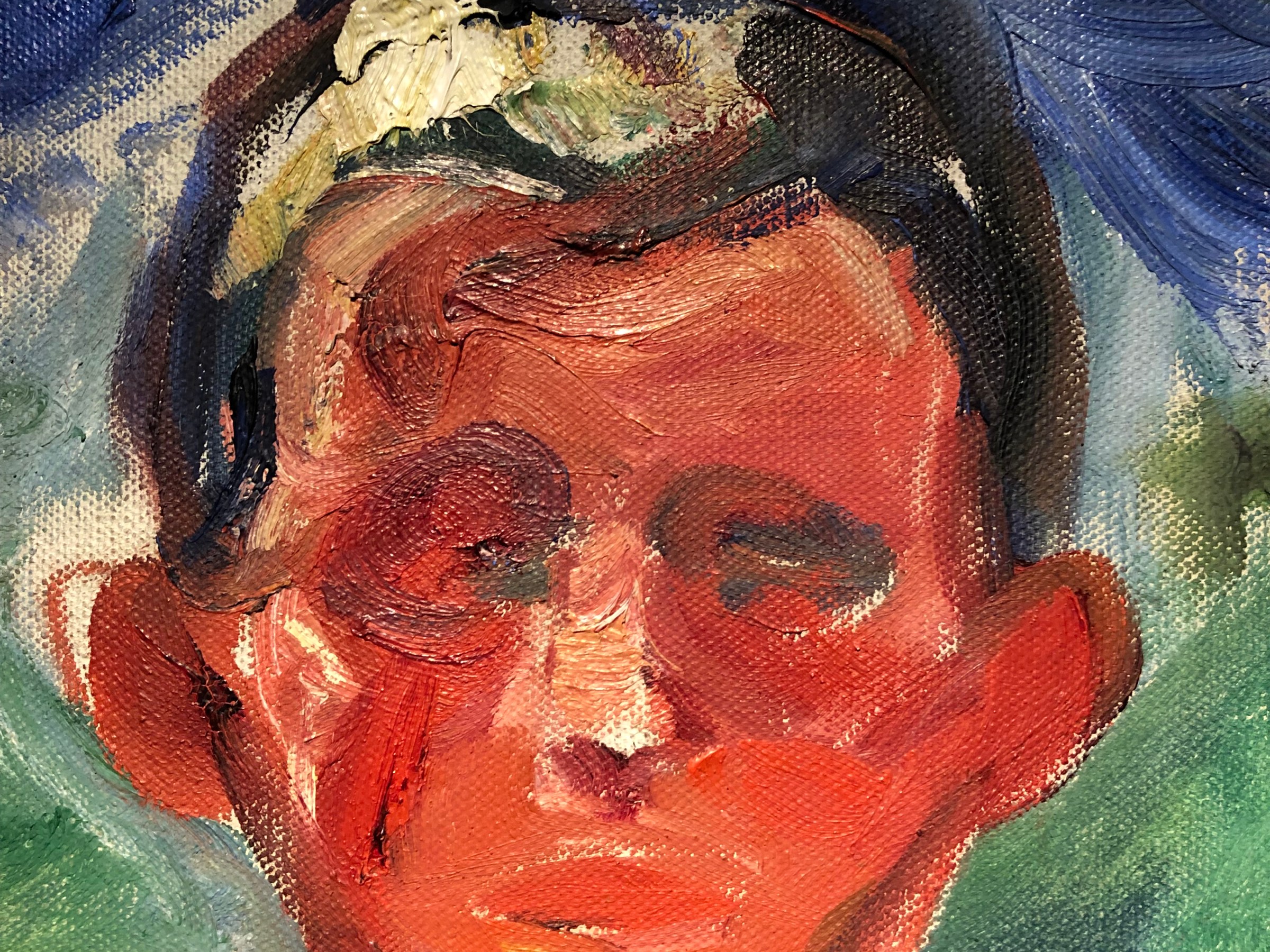
Visiting one of the museums here in Bergen, I walked through the rooms of Edvard Munch’s work, stopping in front of Ungdom (Youth). Ungdom is a large portrait of a boy with a multicolored background behind him that looks, in many ways, like waves. As I started at the portrait, I walked closer and peered at the background near the boy’s right arm and … Read More Why does history matter?

Reflections on EJI Legacy Museum and Memorial for Peace and Justice

Every semester, I try something new in my classroom. Recently, I’ve been working on decentering my courses in various ways, specifically through the use of active learning assignments. These involve assignments such as my archives project  or creating more student centered discussion through the questions I pose in class. This summer, I taught a minimester course in early American literature. Essentially, we met 24 … Read More Reflections on EJI Legacy Museum and Memorial for Peace and Justice

+

Charlottesville: What do I do in the classroom?

At the end of Frank Yerby’s The Foxes of Harrow (1946), Stephen Fox thinks about his son Etienne. The Civil War has just ended, and Stephen ponders what the racism and hate that Etienne carries within himself will bring for the future. Etienne’s feelings and ideas will lead to more bloodshed, more dead bodies, and a stunted progress towards equality. The events in Charlottesville, … Read More Charlottesville: What do I do in the classroom?

+

What do these “monuments” say about our history?

Last Thursday, I shared a guest post by Jennifer Morrison where she spoke about her own experiences last month at Festival Internationle when a white woman began speaking with her about the statue of Confederate General Alfred Mouton that stands on the corner of Jefferson Street and Lee Avenue in Lafayette, LA. Her interaction with the woman comes at a time when the city … Read More What do these “monuments” say about our history?